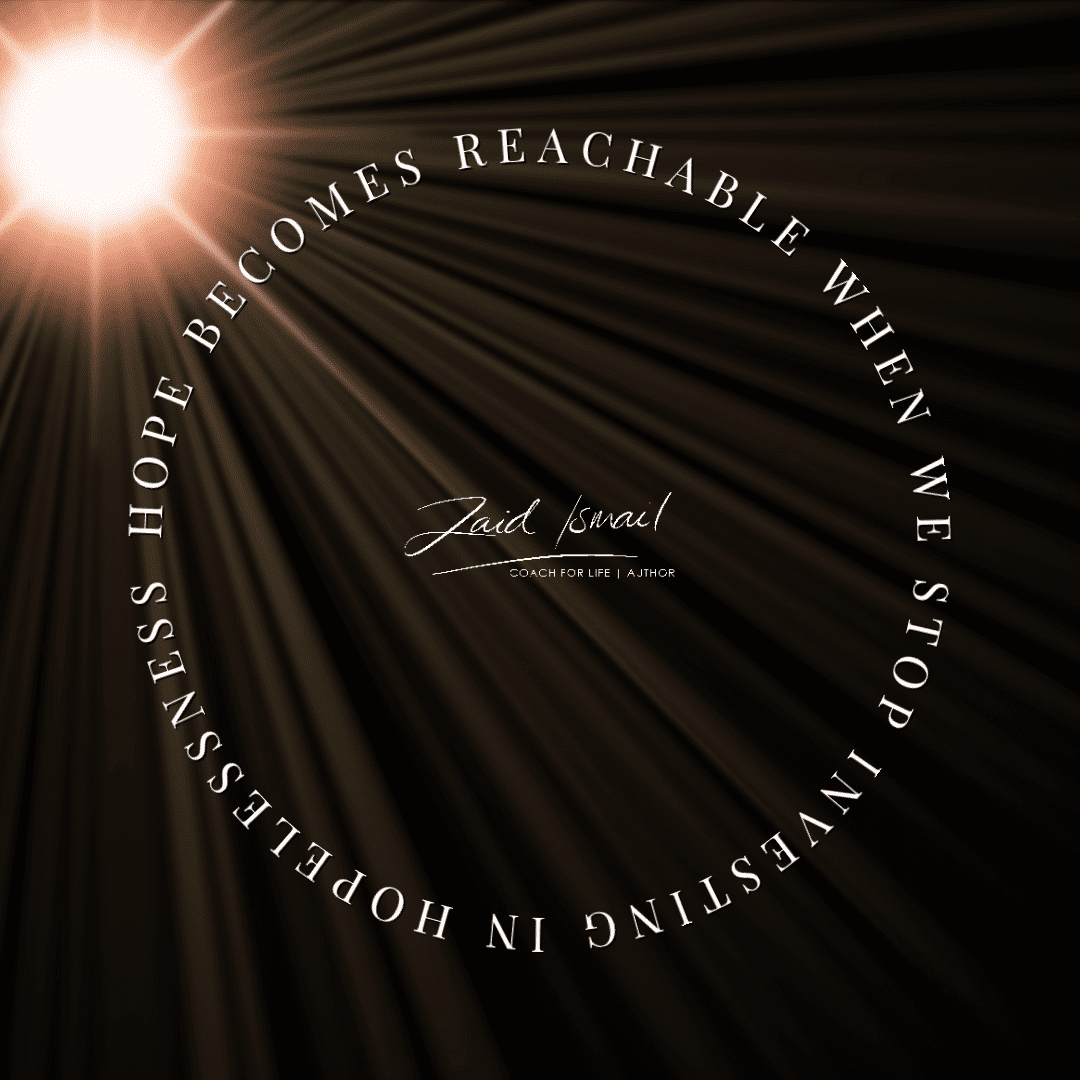
Hope is born in moments when you have no reason to believe in the moment that is to follow, but something good unexpectedly lands in your lap.
It’s born when that unexpected call changes your life for the better.
It’s born when that stranger smiled an understanding smile in that moment that you thought the world was oblivious to your presence.
It’s born when you wake in the morning and discover that despite your worst premonitions, you have a good day.
Hope can be torturous when the events of your life have given you little reason to believe that the good that you experience will last for more than a fleeting moment.
But, knowing that it’s possible for it to last beyond that brief period of joy is what makes it impossible to ignore the hope that bubbles beneath the surface.
Hope is faith. And faith is hope.
Both are intricately woven into the fabric of our struggles.
When we focus on our struggles only, we lose sight of all those moments that planted the seeds of hope in our hearts so many lifetimes before the present moment.
In forgetting, we burden ourselves with more than the burdens of life. We burden ourselves with the burden of ingratitude as well.
Focus on hope, and faith will have your back.
#hope #expectation #sincerity #optimism #perseverance #motivation #goals #ambition #success #selfawareness #selfrespect #mindfulness #inspiration #zaidismail #ownyourshit #ownyourlife #theegosystem #embracingME #mentalhealth #mentalhealthawareness #mentalhealthrecovery
Tag: sincerity
-
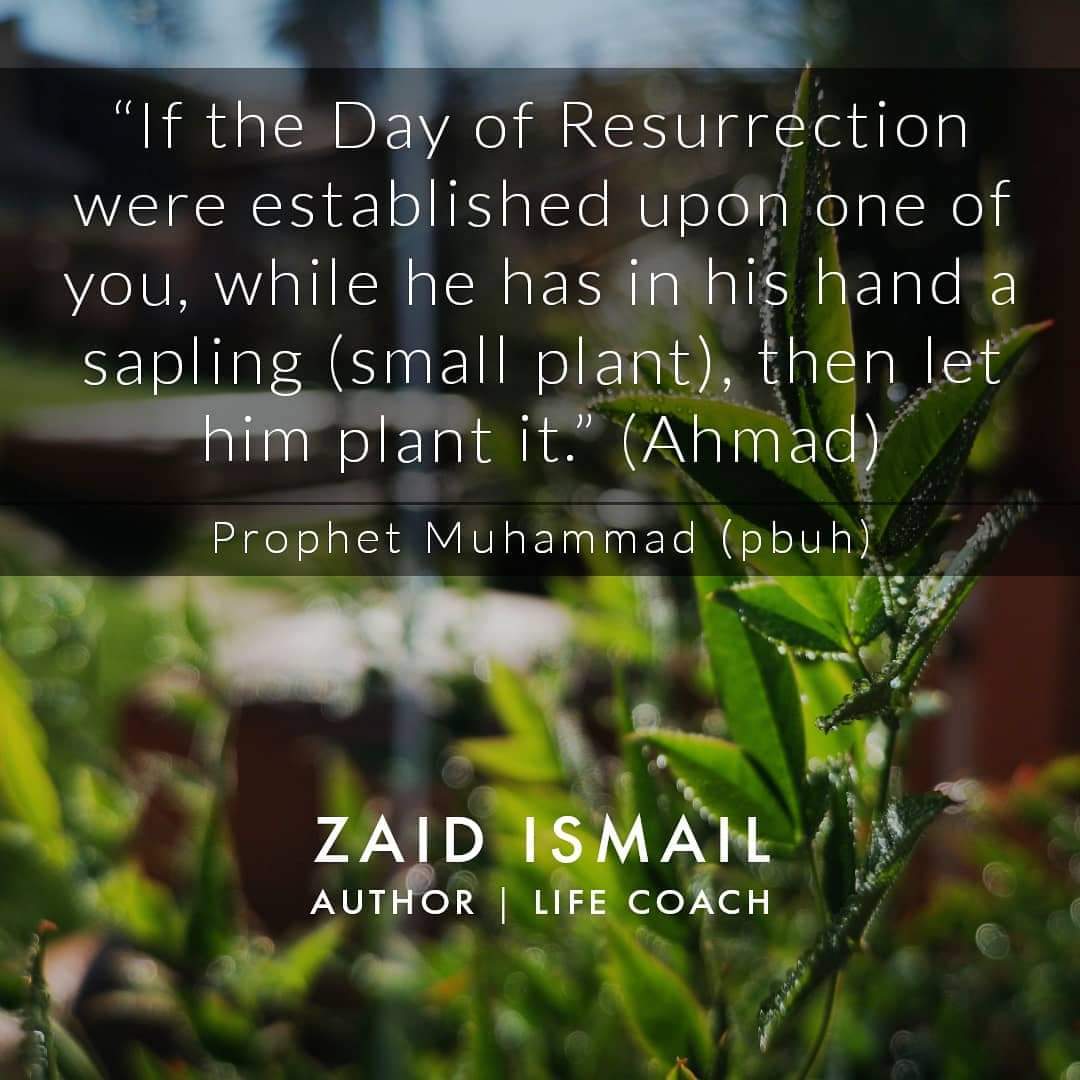
Never abandon hope
-

Seek understanding. Always.
If you find yourself judging, more than understanding, you’re filled with fear about the future. Not hope.
Judgement is not always harsh. But, judgement is always focused on an external standard that we think others respect.
External standards give us comfort because we don’t run the risk of making a bad decision by ourselves. If things don’t go well, we can always say that everyone thought that it was the right thing to do.
More than this, when we live up to a standard that we know others respect, we automatically feel respected. That way, we don’t have to go through the difficulty of earning respect by ourselves.
This mind set conditions is to judge right or wrong, good or bad, better or worse, rather than to seek understanding of why we, or others, may fall short.
This, more than anything else, undermines the quality of the relationships that we have with others, and especially with ourselves.
And remember, seeking to understand bad behaviour doesn’t mean we condone it. It just means that we have a better chance of addressing the reason for it, rather than responding to its symptoms.
If this is something that you or someone close to you is struggling with, reach out. Let’s talk. A fulfilled life is more achievable than it may appear to be at present.
#hope #expectation #sincerity #selfworth #selfawareness #mentalhealth #mentalhealthawareness #mentalhealthrecovery #socialacceptance #herdmentality #society #understanding #compassion #relationshipgoals #zaidismail -
Invest in hope
When you’re lost on a journey, do you keep driving around in circles hoping that your destination will miraculously arrive, or do you try a different route until you find it?
Or do you sit behind the wheel and judge yourself for being a bad driver because you’re on the wrong road? If you do, does it suddenly make your destination appear?
Life is no different.
Hopelessness is never the end of the road. It’s a sign that you need to take a new one.
The fact that you knew how to get yourself onto THAT road means that you have the ability and skill to change routes.
When we find ourselves in a rut, we shouldn’t remain invested in that rut hoping that someone else will come along and change it for us.
We need to change it for ourselves because we know what destination we’re in search of. No one else does.
Holding others responsible for getting to our destination assumes that they are not also searching for their destination. Or are lost in their own rut.
It’s how our journeys intersect with each other that we find companionship and comfort in others. Not in waiting for them to navigate or journey for us.
Own your life. It’s yours to own.
#hope #expectation #sincerity #selfworth #selfawareness #mentalhealth #mentalhealthawareness #mentalhealthrecovery #hopelessness #suicideprevention #suicide #zaidismail #lifecoaching #ownyourshit #ownyourlife #theegosystem #embracingME -
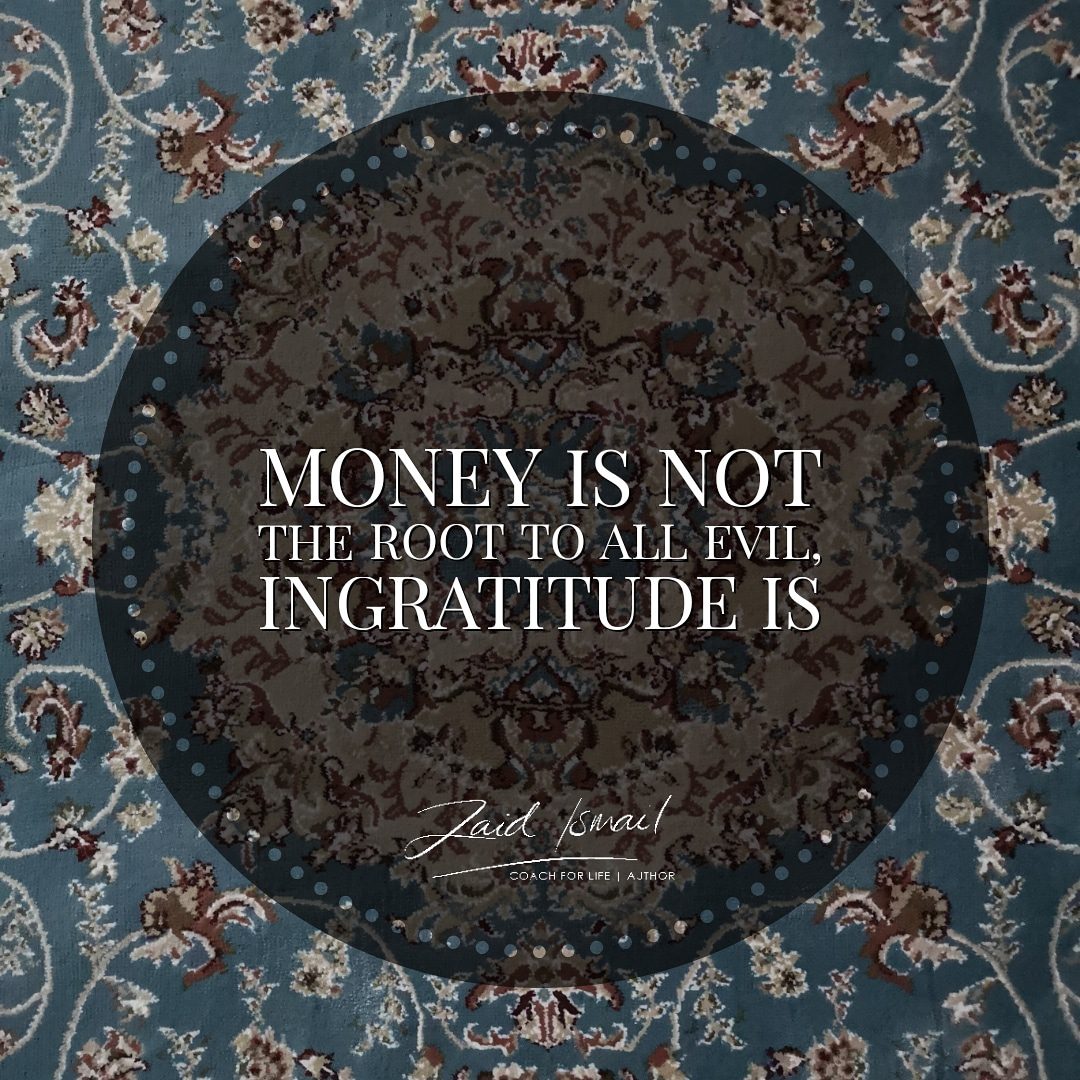
Money is not the root of evil
Money is nothing more than a tool.
It’s a means to an end, not a motivation in itself.
Even its accumulation through miserliness, or its wastage through extravagance still makes it nothing more than a tool to achieve a greater goal.
Ingratitude is what results in such tools being used to our detriment, or to the detriment of others.
Money in the hands of an ingrate is used to harm others, or the self.
Ingratitude is therefore the demon that we must learn to understand if we hope to use money in a way that creates a fulfilled life.
Ingratitude is born of the belief that we are entitled to things or outcomes.
That sense of entitlement is based on our need to feel validated by such privilege, because we see it as a measure of how much we mean to others.
Our need for such validation is from a lack of appreciation for who we are and what our unique contribution to this world can be, and instead, a fixation on everything that we don’t have.
Understand the source of your ingratitude, and tools like money will carry with it benefits and blessings in ways you never thought possible, without contaminating your ego in the process.
#hope #expectation #sincerity #selfworth #selfawareness #mentalhealth #mentalhealthawareness #mentalhealthrecovery #gratitude #appreciation #zaidismail #authenticity #servingothers #servantleadership -
What is forgiveness about anyway?
If there is one piece of advice that will help you through the worst of times, this is it.
Internalise this, connect with it, make it your mantra if you must, but understand that forgiveness on its own, without acceptance, will leave you yearning for retribution or justice.
Acceptance is more important than forgiveness, because once we’ve accepted the reality of what is, forgiveness loses relevance.
Accepting things becomes easier when we seek to understand rather than to judge why someone may have treated us badly, or betrayed our trust.
Immediately, the focus is about their weakness and not our significance.
When we learn to accept that people’s actions are a reflection of who they are more than it is about what we mean to them, we’ll have less of a need for forgiveness.
Peace is not possible without acceptance, and acceptance completes the act of forgiving.Don’t only focus on forgiveness, because our need to forgive is driven by a belief that we were the deliberate target of the demons of others.
Understanding their reasons for behaving the way that they did will confirm if forgiveness is warranted, or if understanding is what holds the secret to the peace that we seek.
#forgiveness #acceptance #struggles #weakness #selfworth #selfawareness #pardon #dignity #sincerity #authenticity #mentalhealth #mentalhealthawareness #mentalhealthrecovery -
Two rules for life
There are two rules that I wish more people would apply in their lives.
Rules that will result in more sincerity and less hypocrisy.
More trust, less betrayal.
More wholesome relationships, less infidelity and betrayal.
The two rules are simple.
Firstly, don’t exhaust yourself explaining your behaviour to people who don’t matter. This not only gives you a false sense of your significance when they pretend to listen, it also gives them a false sense of significance in your life when they believe that you’re explaiming yourself because they matter to you.
Secondly, when choosing who matters, be sure that you’re doing it based on who really matters to you. They must be consequential to your happiness and sense of belonging in this world. If not, you’ll surround yourself with anyone and everyone that you want must care, because you need to fill the void of human connection in your life.
Sometimes we think that by being polite we’re treating others with respect. However, when that polite attitude leads people to believe that they’re significant when they’re not, it causes more hurt and betrayal when they realise that you were just being polite, rather than sincere.
That’s how being insincere to avoid hurting someone’s feelings causes more hurt than you would’ve caused had you been honest and sincere in the first place. .
Be sincere, always. Even if it means that you will be unpopular for that moment.
That moment of unpopularity could save you and others from a lifetime of disappointment and pain.
Photo credit : Adobe Stock
#selfworth #selfawareness #ownyourlife #selfmastery #mindfulness #personalpower #ownyourshit #mentalhealthrecovery #mentalhealth #mentalhealthawareness #lifecoaching #zaidismail #fuckit #authenticity #sincerity #relationshipgoals -
Take stock, and reconnect
Stepping back and taking stock requires more than just an arrest of the ego.
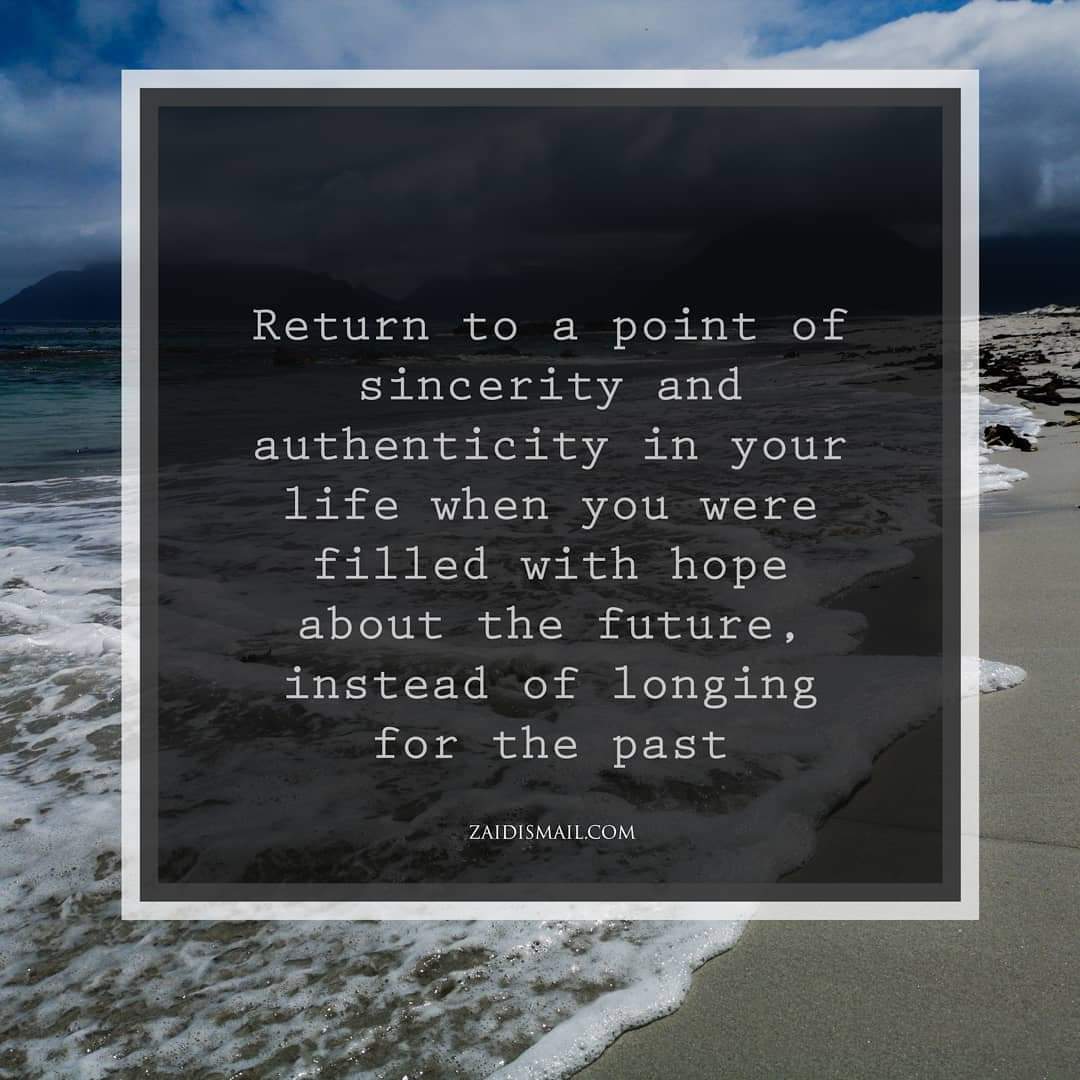
It requires a desire to return to a point of sincerity and authenticity in our lives when we were filled with hope about the future, after finding ourselves filled with a longing for the past instead.
Arresting the ego becomes easier if we believe that what we stand to gain is more valuable than having to swallow our pride.
But sometimes, pride is all that defines us.
If you find yourself in that space, know that you’ve abandoned your true self in favour of how you wish to be perceived by others.
Sometimes, pride pushes us to follow through on a bad decision because it sucks to give our enemies something to mock us about.
You know what sucks more?
Living a crappy life because you didn’t want to give your enemies a single moment to mock a bad decision.
Own Your Shit. Own Your Life.
#hope #expectation #sincerity #selfworth #selflove #selfawareness #selfrespect #mindfulness #inspiration #pride #egosystem #ego #takingstock #reflection #mentalhealth #mentalhealthawareness #mentalhealthrecovery -
Empty promises
Some promises are broken before they’re even sealed.
Some are honoured before they’re even made.
The promises that are sincere will be blessed in their outcomes, well beyond the obligation that they carry.
But the promise made out of obligation or compromise will always be burdensome and restrained in its fulfilment.
Like apologies, promises are often made to avoid an unpleasant moment, rather than to create a beautiful one.
It is this insincerity more than anything else that destroys what could be a beautifully fulfilling relationship.
It is in the nuances and innuendos of how we honour the commitments that we make that leaves the most defining impression, and not just the fact that we kept our word.
No one wants to feel like a burden or an obligation.
When we lack sincerity in fulfilling our promises, or following through on our apologies, that is exactly what our unspoken words scream at those who cherish us.
It tells them that they’re not important, only us keeping our word matters to us because we value our image more than we value them.
Let your unspoken words reflect sincerity and conviction, and not leave room for doubt or ugliness.
Anything less is a lie.
#promises #commitments #principles #obligation #relationshipgoals #sincerity #selfworth #selfawareness #mentalhealth #mentalhealthawareness #mentalhealthrecovery #theegosystem #zaidismail #mindfulness