For the sake of your sanity, do not buy into this extremely flawed way of thinking.
If you were to believe the mainstream tripe about mental health, you’d be running back to your childhood for everything and blaming your parents for all your failures in life.
The irony of this claim about procrastination and laziness is that they both have a very simple, yet easy to overcome root cause.
You either believe in the value of what you’re doing, or you don’t.
If you don’t, the only reason you will do it is because there will be unpleasant consequences if you don’t do it. That’s why we leave things until we have no choice but to do it when we approach it as if it’s a punishment for living.
It’s this same reason that inspires us to look forward to our day, or to drag ourselves out of bed, regardless of how much sleep we got the night before.
The reasons for struggling to see the value in doing something requires self awareness and mindfulness.
But given that both are lost when we blame our past for our present failings, we further sabotage our efforts to connect with life in a more meaningful way.
Please, for the love of sanity and common sense, stop buying into the mindless crap presented as research about mental health.
Give yourself a fighting chance by simply understanding why you have good reason in your own mind to be averse to doing things that you know will be beneficial for you.
We’ve overcomplicated life and then reframed that complexity to be mental health.
We need to reclaim our humanness and the very real human experiences that give us reason to feel emotional duress from time to time.
It’s all part of being human.
#justsaying #ownyourlife #zaidismail #mentalhealth #mentalhealthawareness #lifecoaching #coachzaidismail #parenting #relationshipgoals #procrastination #laziness #theegosystem
Tag: relationshipgoals
-
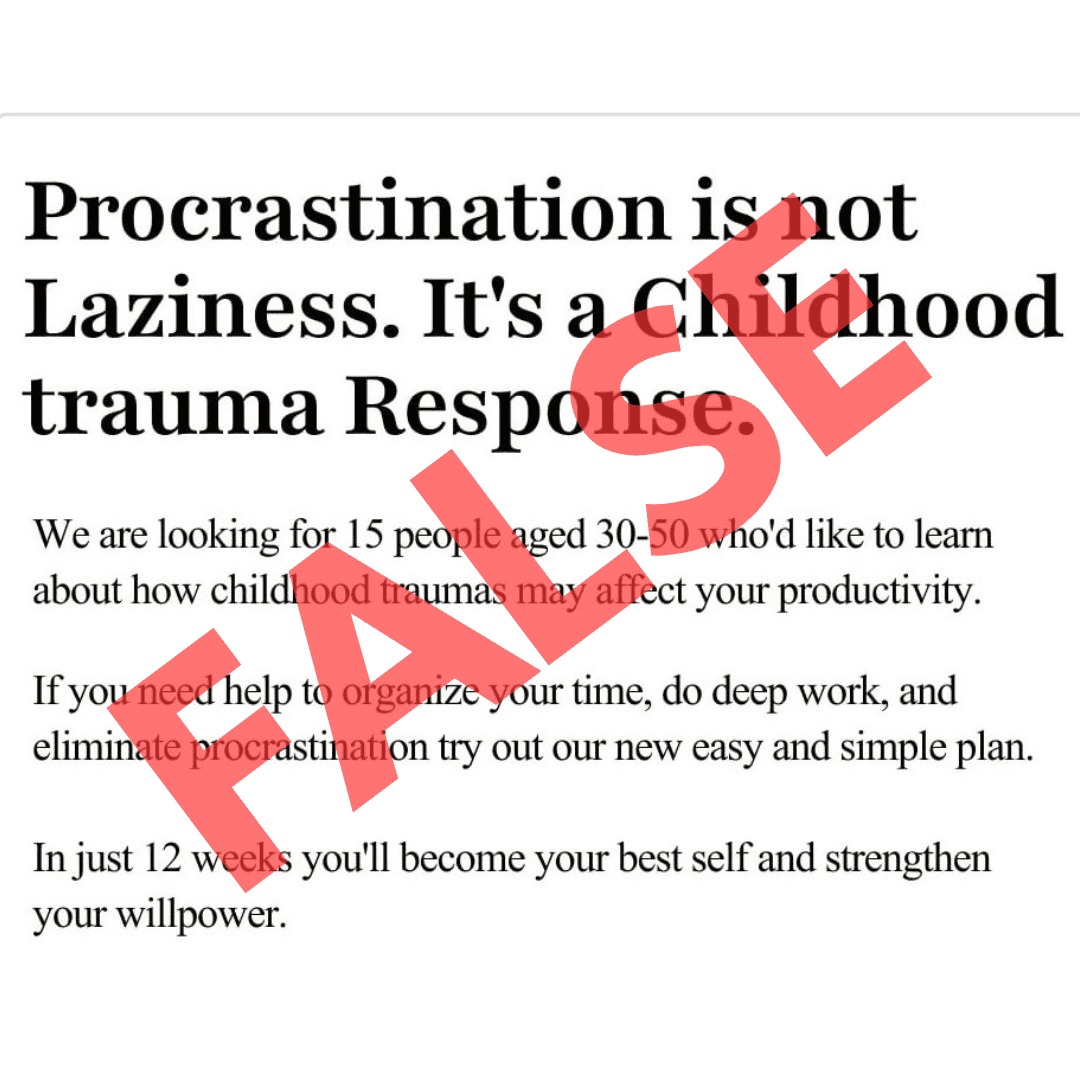
Procrastination is not a mental illness
-

The absence of drama is not peace
The struggle in countering the influence of a village of idiots will never be truly appreciated until we experience the impact of the dysfunction that it produces in our lives.
That impact usually only becomes evident when we’re facing upheaval that challenges any sensibility that we may rely on about life.
Parenting is largely a lost art with the opportunity to outsource a large chunk of it to social media making it easy to ‘cope’ in that way.
Losing ourselves to our own struggles that rage in our minds blinds us to the impact of our obliviousness to those around us.
The absence of drama is not peace, nor is it wholesome family time.
That is what social media and social distractions offer us. The absence of contention or conflict.
That’s how we lose sight of the values that we’re imparting without meaning to, because on the one hand, we’re validating social media as a legitimate source of learning how life works, while also confirming that such an approach to parenting or to sharing life’s moments and wisdom is all that we have available to offer.
We have greater impact through what we don’t do than what we do.
Unfortunately, we’re mostly too distracted by needing validation for what we do that we lose sight of our abdication of accountability for what we should do more of…or just what we should be doing in the first place. Period.
Our demons that distract us from what others need from us destroys more relationships than any real conflict that exists between two people.
Own your life before you end up destroying someone else’s.
#parenting #divorce #marriage #marriagegoals #lifecoaching #zaidismail #theegosystem #ownyourlife #relationshipgoals #singleparenting -
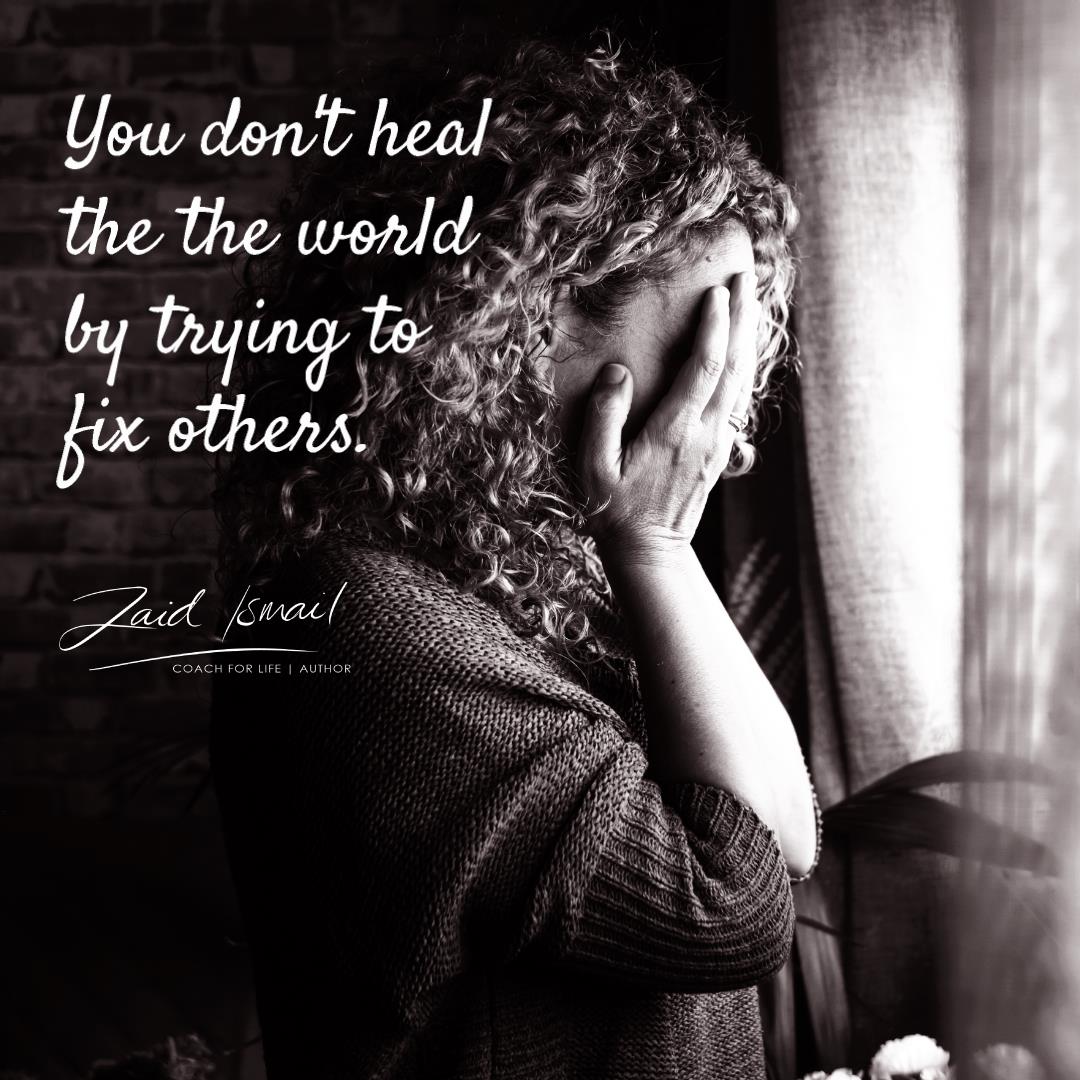
Heal yourself before you heal the world
When we’re in a problematic relationship, it becomes easy to focus on what others are doing wrong.
This may be justified, or maybe not. Either way, it distracts us from our contribution towards that situation that we’re party to.
That’s the important part. To recognise that we are either enabling or sustaining the cycle in which we’re caught.
Focusing on what others need to change is only productive if we’re having a meaningful discussion with them about how we’re affected by their behaviour.
Beyond that, it serves as nothing more than a distraction from how we conduct ourselves in response to their behaviour.
The moment you go into such a situation assuming that you’re right and they’re wrong, you become part of the problem, if not the problem itself.
Relationships are about finding a balance, not about finding a compromise.
Compromises lead to scorekeeping and bitterness if either person thinks that they’re contributing more than the other.
Stop compromising and start focusing on what you’re both wanting to create together.
If you need them to make you feel complete, you’re horribly distracted from what you find lacking in yourself.
Healthy relationships are formed when two people own their contribution towards the joint goals of the relationship and create space for each other relative to their strengths and weaknesses without judging each other for the same.
If that sounds like a mouthful, or if it sounds complicated, then chances are very good that you’re getting it wrong, or you’re not acknowledging your contribution towards whatever frustrations or challenges you’re experiencing with your partner.
Everyone wants to feel heard.
Everyone wants to feel seen.
Everyone wants to feel appreciated.
Not just you.
Keep that in mind the next time you approach addressing an issue with your partner and hopefully the outcome will result in understanding and a commitment towards mutual goals that will create a bond between you that you never experienced before.
#mentalhealth #mentalhealthawareness #selfworth #selfawareness #relationshipgoals #lifecoaching #zaidismail #theegosystem #ownyourlife #marriage
-
Honour yourself
Self-respect is more about who you want to be, rather than what you are willing to tolerate.
Claiming your space while diminishing the contribution of others in your life is not self-respect, it’s unintended ingratitude.
Self-respect is reflected in how you hold yourself accountable for the impact of your actions on others, and not just for your intentions towards them.
It’s about showing up beyond words or explanations, and ensuring that your actions reflect your intentions, especially when the feedback you receive confirms that how you treated others is not what you had intended.
But none of this is possible if you don’t have your own internal compass by which you hold yourself accountable.
That compass is the values that you claim to stand for.
When you lack that internal compass, you will be driven by how you feel in the presence of others.
When our feelings dictate our reasons, we hold others accountable for what we took from them, or from life, without stopping to consider that maybe we were wrong.
Maybe we understood things poorly, or interpreted things incorrectly.
When feelings drive rationality, our struggle becomes our war cry and everyone around us becomes responsible for honouring how we feel regardless of the merits of our reasons for why we feel that way.
That’s when we become oppressors while feeling oppressed.
Self-respect is born when we choose who we want to be regardless of what bad behaviour others may deserve because of how we think they treated us.
In that choice lies peace and the promise of contentment.
Anything less will leave you a slave to society, or an oppressor towards those who fear your outbursts.
Who do you want to be?
#selfworth #selfawareness #mentalhealth #mentalhealthawareness #lifecoaching #zaidismail #theegosystem #ownyourlife #narcissisticabuse #narcissist #relationshipgoals -
10 Rules for life
If you don’t hold yourself accountable before you hold others accountable, you’re insincere about what you claim to uphold.
If you focus on everyone else’s shortcomings that you think may justify your behaviour, you will be defined by everyone else’s shortcomings.
Is that really the standard by which you want to live?
It always starts with you.
Here are the 10 Rules:
1. If you want to be trusted, conduct yourself with integrity and consistency at all times, not only when things are easy.
2. If you want to be respected, learn to respect others, not only when there’s something in it for you.
3. If you want to be appreciated, show appreciation for what you have and what you receive instead of behaving as if you’re entitled to everything that you need or want.
4. If you want to be treated like an adult, communicate like an adult instead of throwing tantrums or assuming that you’re right so there’s no need for you to convince anyone else about what you believe to be true.
5. If you want to feel cared for, show due care and consideration for others, and not only for people from whom you need things or from those who stroke your ego.
6. If you want the benefit of the doubt, work on your credibility instead of demanding to be treated as if you have credibility, especially if you did something that raised doubts about your credibility.
7. If you want to be heard, listen with the intention of understanding, and not with the intention of responding to prove that you’re right while ignoring the facts presented to you.
8. If you can’t handle the answer to a question, don’t ask the question because you’re looking to hear what you want to hear, rather than being interested in what others have to say.
9. If you don’t want others to assume the worst of you, stop assuming the worst of others.
10. If you want your rights to be respected, fulfil your responsibilities. All of it. Not only the ones that you think you need to or feel like fulfilling.
#hope #expectation #sincerity #selfworth #selfawareness #mentalhealth #mentalhealthawareness #lifecoaching #zaidismail #theegosystem #ownyourlife #justsaying #rulesforlife #relationshipgoals #marriage #divorce -
Too good to be true
I’m often asked why is it that someone with a solid self-worth can have their sense of self totally destroyed by a bad relationship.
This is why.
Despite our best intentions, placing someone on a pedestal is never a good idea.
Not only will it blind us to their humanness, it will also distract us from our potential.
Worse than this, it distorts our judgement of ourselves when they don’t respond or react the way we need them to.
Firstly, when we elevate someone in that way, we forget that it’s based on our perception of who they are, and not because they claimed that spot on the pedestal that we built.
Secondly, because of this misplaced belief in their excellence of character or accomplishment, the success or failure of our efforts to earn their praise or affection leaves us questioning our worth because of how much credibility we place on their reactions towards us.
Remember, we placed them on that pedestal, so they probably have no idea why our expectations of them are so high, making it easier for them to fail us without them knowing why.
When they falter, we see them as falling from grace because we assume that they always thought that they were too good for us, meanwhile they never saw themselves that way to begin with.
Worse still, that unreasonable expectation that we place on them could easily provoke their insecurities, resulting in them deliberately resisting what we need from them.
That sets in motion a cycle that destroys an otherwise good relationship when we blame them for not living up to the expectations that we imposed on them, while accusing them of setting such high expectations.
Be mindful of what you take from others versus what they’re offering.
Otherwise you’ll create self-fulfilling prophecies while blaming the world for your misery.
#hope #expectation #sincerity #selfworth #selfawareness #mentalhealth #mentalhealthawareness #lifecoaching #zaidismail #relationshipgoals #marriageadvice #divorce #ownyourlife #theegosystem -
Pitying yourself into oblivion
Self-pity is an indulgence in futility that results from picking at our wounds long after the betrayal from another has passed.
Waiting for someone to care about us before we care for ourselves is not about needing them to care as much as it is about us wanting them to see how important they are to us.
If they respond positively, it boosts our self-worth because someone we care about cares about us.
While that may seem perfectly reasonable, it still means that we only care for ourselves if we feel cared for.
That’s not self-worth, nor is it love. That’s ingratitude.
Trading with emotions to test a significant other’s commitment to us is passive aggressive guilt-tripping and not love or affection.
It’s a transaction of benefit because we’ve lost sight of the value of who we are regardless of what others think of us.
Of course, the critical dependency in this is that our belief in who we are is based on substance and not wishful thinking, or self-aggrandisement.
Self-pity serves as a distraction from the life that we want, because it demands that we place our life on hold waiting for someone else to care.
That’s when ingratitude digs deeper into our soul and the self-pity soon becomes self-loathing because we failed the test that we administered on another.
Doesn’t make sense, does it?
Neither does self-pity.
Don’t wait for someone to value you before you value yourself.
Own Your Life.
#hope #expectation #sincerity #selfworth #selfawareness #mentalhealth #mentalhealthawareness #lifecoaching #zaidismail #relationshipgoals #marriageadvice #divorce #theegosystem #ownyourlife -
Bitter sweet arrogance
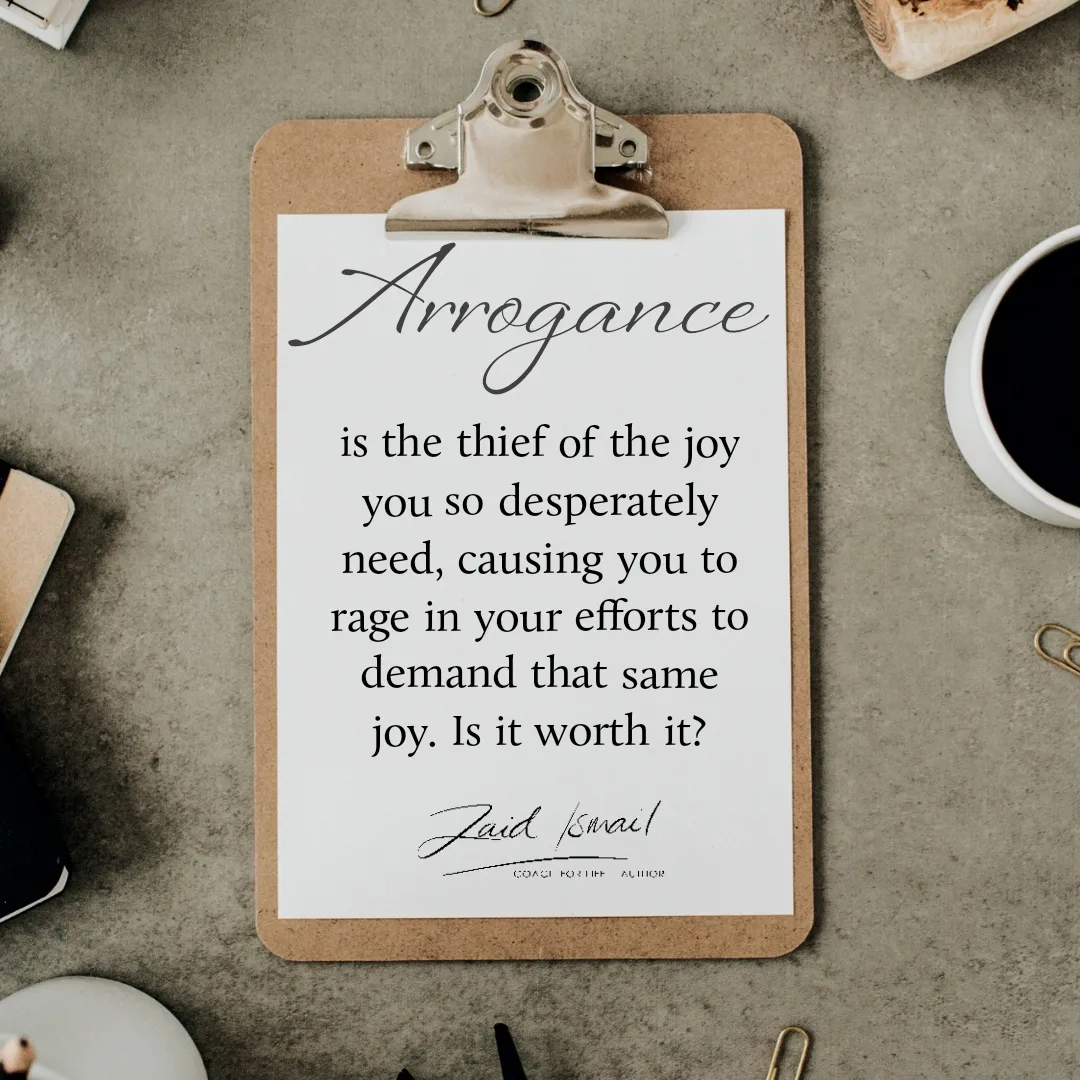
Arrogance is a result of insecurity that is presented as unwarranted confidence.
While it’s easier to focus on the harshness that results from such behaviour, it’s more important to remember that only an insecure person will have a need to demand significance through arrogant behaviour.
Arrogance serves as a distraction from our harsh self-judgement.
If someone behaves arrogantly towards us, it feels like a personal attack because it undermines our significance or the respect and consideration that we believe we deserve.
Whether we deserve to be treated better than that or not is not the critical issue.
The fact that we need someone to treat us better than that is what defines where we’re at about how we value ourselves.
That’s where self-worth or self-loathing on our part either feeds that cycle of arrogance, or it breaks it.
Think of it this way.
If an arrogant person is behaving that way because they’re already feeling inadequate, and you demand that they treat you better than that, you’re simply reinforcing their reasons to believe that they’re inadequate.
You don’t resolve that by pointing out what you deserve from them.
You solve that by introspecting on why their struggle with themselves has such an impact on you.
Owning your self-worth is the beginning of finding peace in life.
But ensure that your self-worth is based on substance, and not just wishful thinking or baseless affirmations.
If there isn’t substance to your belief in yourself, your self-worth will result in you being selfish and destroying what could be a good relationship.
It always starts with you.
#hope #expectation #sincerity #selfworth #selfawareness #mentalhealth #mentalhealthawareness #lifecoaching #zaidismail #relationshipgoals #marriageadvice #divorce #theegosystem #ownyourlife