In a world that is demanding attention all the time, it’s easy to get caught up in what we need from others while ignoring what they need from us.
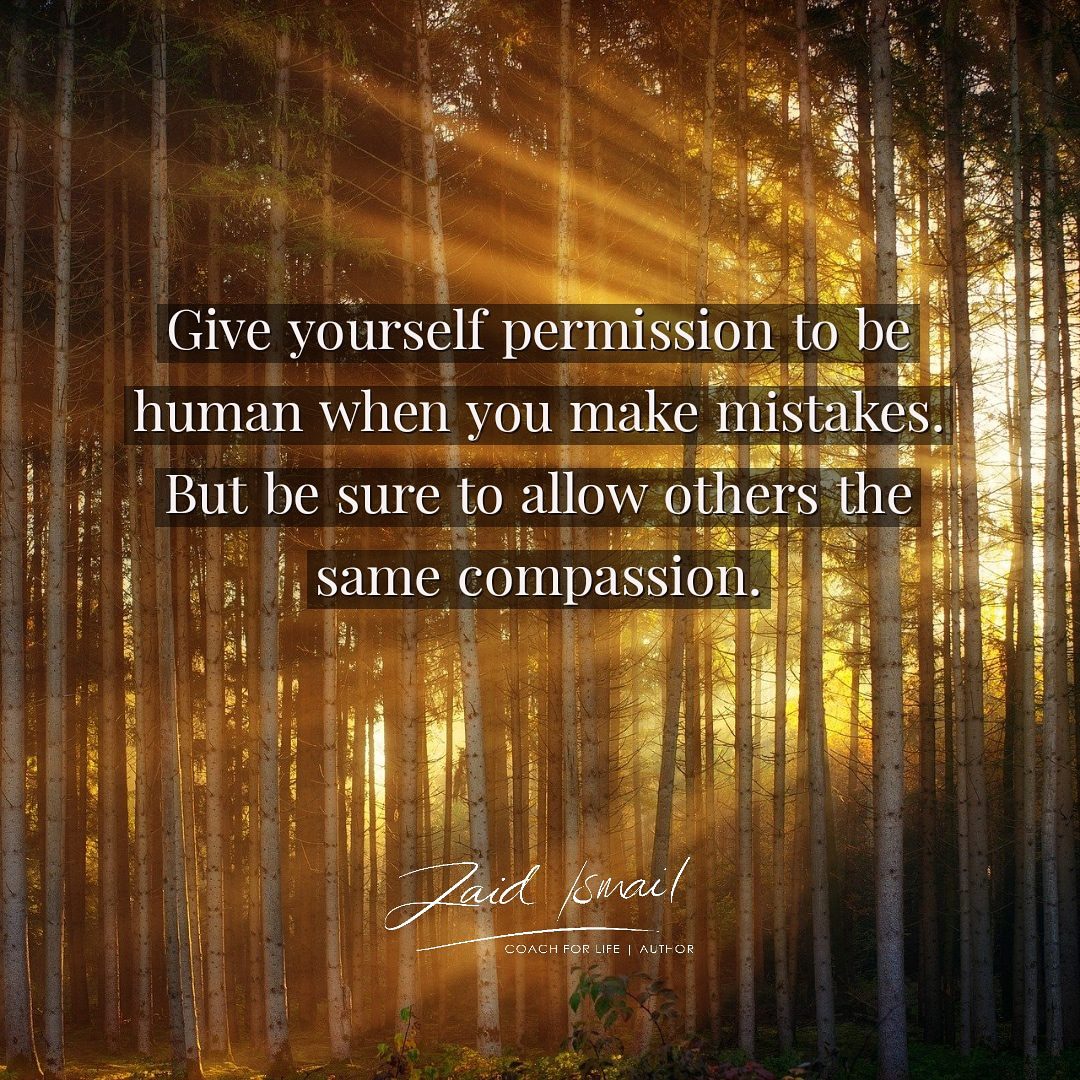
Our humanness is often celebrated for ourselves, but set aside in our expectations from others.
We all need sympathy and compassion, but are hesitant to give others the benefit of the doubt when they fall short in giving us what we need from them.
The same way that we must seek to understand why we sometimes disappoint ourselves or others, we need to afford others the same consideration when they disappoint us.
We all have our demons that we’re fighting, but we each succumb to different ones.
Just because we’ve reigned over one of ours doesn’t mean that everyone else should be able to overcome the same demon in their lives.
The next time you find yourself demanding compassion or understanding from others, pause for a moment to consider why it is that they may seem incapable of being compassionate in that moment.
They may just be struggling with something themselves and don’t have the capacity to do more than they’re already doing.
Photo credit : Adobe Stock
#compassion #understanding #kindness #kindnessmatters #beinghuman #selfworth #selfawareness #mentalhealth #mentalhealthawareness #mentalhealthrecovery #theegosystem #zaidismail #mindfulness #inspiration #motivation #ownyourshit
Tag: mentalhealthawareness
-
Be what you need
-

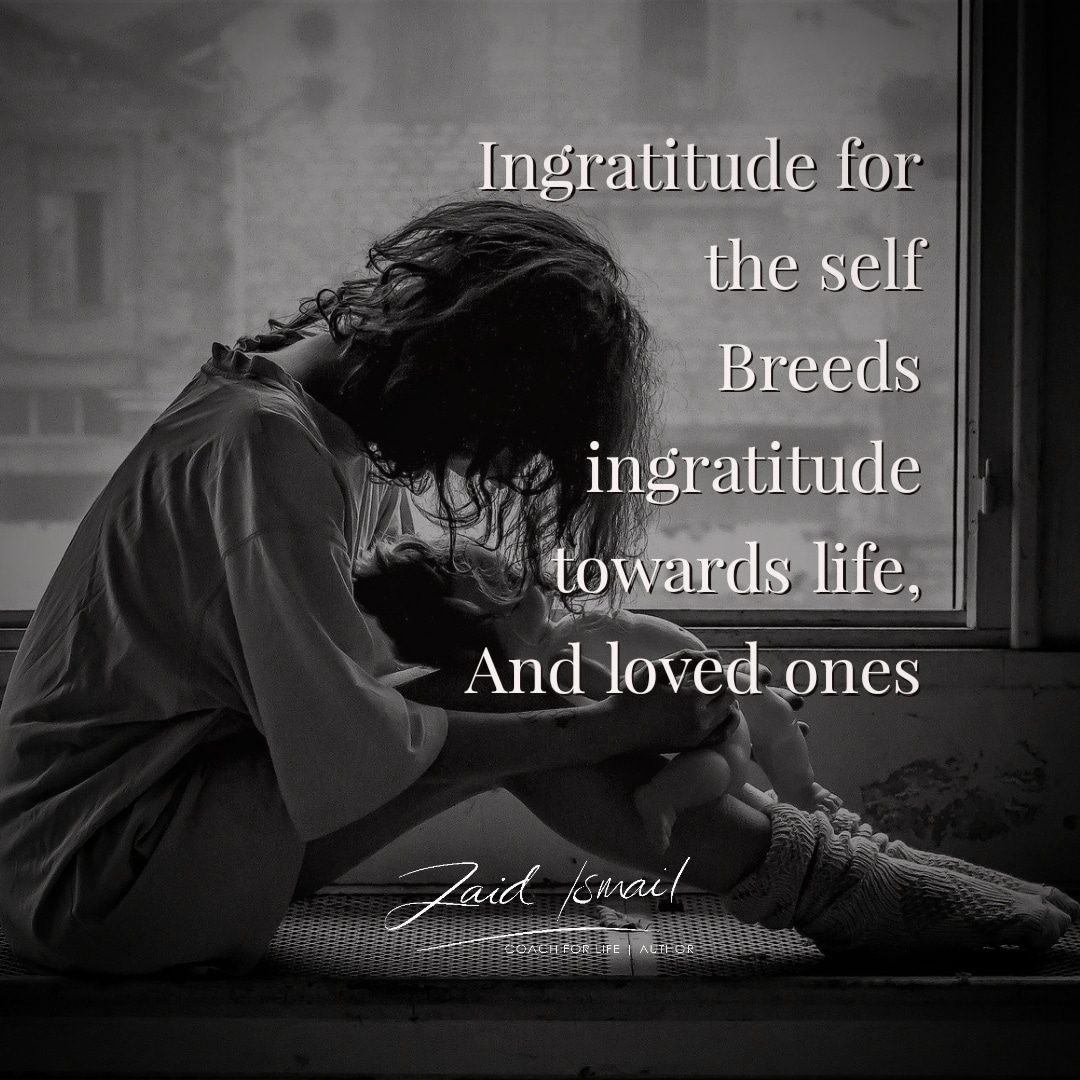
Ingratitude breeds ingratitude
When we’re ungrateful for who we are,
When we deny any good in ourselves that others may see,
When we ignore our beauty because there may exist some ugly,
We protect ourselves from attachment to anything wholesome or beautiful in life.
Our need for such protection is a deeply ingrained fear about never being good enough.
Not good enough for the standards that we hope to live up to, nor good enough for what we think we need to be to those around us.
The self loathing ensures that this conversation remains in our heads, and is only expressed as rage or bitterness, or many times, as deliberate ingratitude.
But ingratitude does more than just take our lives for granted.
Ingratitude convinces loved ones that they’re not good enough either.
Ingratitude distorts good intentions into bad motives.
Ingratitude breeds within others what we loathe about ourselves, while convincing us that it harms no one.
Ingratitude is the real root of evil.
It is ingratitude that destroys hope.
It is ingratitude that destroys love.
And it is ingratitude that destroys gentleness.
You cannot give what you don’t have.
When ingratitude for your self takes hold, the sincerity of any gratitude that you hope to express towards others lacks authenticity and leaves them questioning your sincerity.
Ingratitude is a vicious cycle that destroys every good that it touches, and breaks every soul that may once have been whole.
And that’s how peace becomes elusive.
Photo credit : Adobe Stock
#selfworth #selfawareness #ownyourlife #selfmastery #mindfulness #personalpower #ownyourshit #mentalhealthrecovery #mentalhealth #mentalhealthawareness #lifecoaching #zaidismail #fuckit #gratitude #appreciation #selflove -
To be…
Much of life is wasted in the time spent considering if we should or shouldn’t do that thing that we’re passionate about.
That consideration is most often based on our doubts about what others will think, and rarely because we doubt the value of doing it.
Sometimes, we persevere and find the courage within ourselves to follow through despite the absence of support or encouragement from those around us.
And sometimes we stop wanting to push through because we feel worn down and invisible.
No one can change which choice we make. But the moment we choose that person that we want to share our passion with, without whom we see no point in sharing it, we give them the power to make that choice for us without them realising what power they have over us.
Sometimes, telling them about it endears them towards us.
But sometimes, the burden of expectation that it places on them pushes them further away, leaving us convinced that the value we thought we could share was not of much value at all.
The human condition is a beautifully complicated mess.
Photo credit : Adobe Stock
#selfworth #selfawareness #ownyourlife #selfmastery #mindfulness #personalpower #ownyourshit #mentalhealthrecovery #mentalhealth #mentalhealthawareness #lifecoaching #zaidismail #fuckit #optimism #lifegoals #dreambig #motivation -
Don’t dance with the devil
The devil lives in our doubts, and our demons thrive in our fears.
What we take from life leaves us filled with hope, or ridden with fear.
But because it’s what we take from it that matters, we can always revisit a memory or an experience and find something more wholesome to take from it.
While we cannot change the past, we most certainly can change how it shapes us, and our relationships with those around us.
The most common reason for not wanting to explore a fresh perspective of our past is because we need those doubts and fears to convince us never to expose ourselves to such experiences again.
It’s got nothing to do with questioning our abilities, and everything to do with avoiding disappointment or pain. Because while we may know without a doubt that we’re capable of achieving something great, we’ll avoid even attempting it because of the possibility of the devastation of it being rejected or taken for granted by others.
Don’t entertain the devil, and don’t surrender to your demons.
Life awaits.
Photo credit :Adobe Stock
#selfworth #selfawareness #ownyourlife #selfmastery #mindfulness #personalpower #ownyourshit #mentalhealthrecovery #mentalhealth #mentalhealthawareness #lifecoaching #zaidismail #motivation #optimism #lifegoals #dreambig -
Master patience
Remembering to hold on to hope, and to abandon my expectations of others has always been my saving grace for my sanity and my dignity.
Expectations, whether legitimate or not, are rooted in a sense of entitlement to receive what we need from others.
Expectations are key to a healthy relationship, because when we can trust another to fulfil our expectations from them, it nurtures the bond that exists between us. Provided, of course, that such trust is mutual.
However, if we’re not aware of our level of expectation and why we want it to be fulfilled by that specific other, we’ll become distracted by the feelings of betrayal should they fall short of our expectations.
Worse still, when we’re unaware of the level of expectations that we have from those who are not in our circle of significant others, every acquaintance and every stranger is given power over our emotional state.
Their failure to live up to our expectations feels like betrayal because entitlement is that unwritten social contract that convinces us that we deserve something from another, even if they may not be aware of it.
If the relationship is important, switch to hope and continue to contribute as best as you can. Hope is grounded in the belief that they are capable of being better than who they are in that moment, but understanding that whatever is troubling or distracting them is what they need to first rise above before they can show up the way that we want them to.
Expectations, and entitlement, is reflective of our needs, which when fulfilled, convinces us that we’re significant. Hence the anger or bitterness, or depression that sets in when our expectations are frequently taken for granted, making patience difficult to muster.
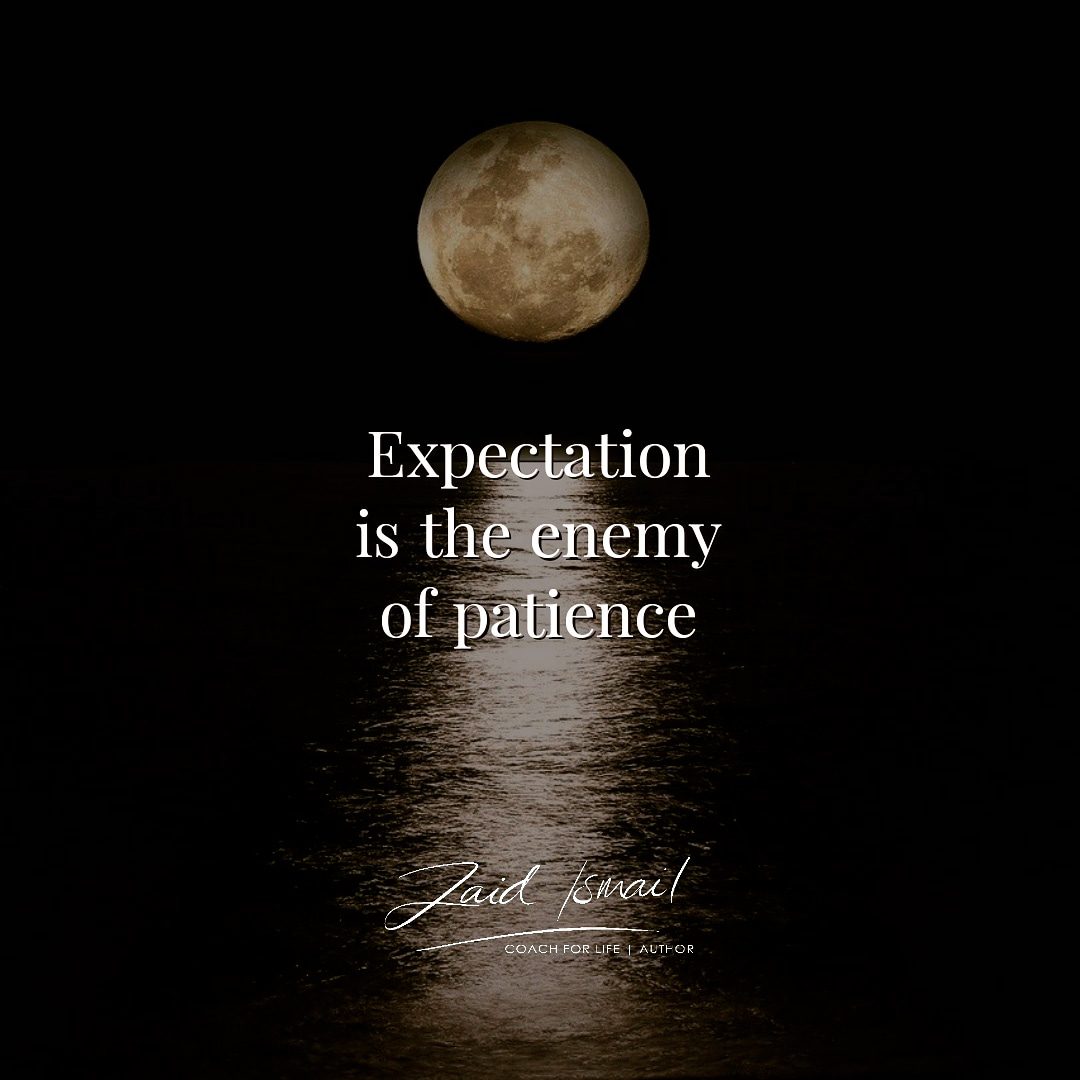
Hope is the nourishment of patience, while expectation is the enemy of patience. So when you find yourself being impatient, check your expectations and consider embracing hope instead.
Photo credit : Adobe Stock
#hope #expectation #sincerity #selfworth #selfawareness #mentalhealth #mentalhealthawareness #mentalhealthrecovery #theegosystem #ownyourlife #ownyourshit #embracingME #zaidismail #victimmindset #lifecoaching #counselling #coachforlife -
Destroying the one we love
When we look at ourselves with harshness or pity, we find reason to protect ourselves and others from what we see.
We convince ourselves that we are a burden or a curse to those who deserve better than what we have to offer.
Or, we convince ourselves that we won’t be able to bear them leaving, so we prevent them from getting close.
But in so doing, we prevent ourselves from seeing in us what they may love about us.
That’s when we reject them while believing that we’re only protecting them.
It’s this self-loathing, or even this need to protect ourselves from being hurt by avoiding attachment that we cause the greatest hurt.
The most troubled souls that I’ve encountered have been ones who yearned for emotional attachment with significant others that were emotionally inaccessible.
When we protect others from ourselves, or we protect ourselves from others getting too close, we deny them access to our emotional space that may complete them, and vice versa.
It is our entrusting to another the fragile parts of our soul that makes us feel human, or appreciated, or significant when they honour that trust in return.
We only feel like we matter when we are not only loved by those we love, but by being allowed to love them in a way that is uniquely our expression of love for them.
Anything less feels incomplete at best, and a betrayal at worst. Thus, some of the best intentions have resulted in the deepest cuts.
Photo credit : Adobe Stock
#love #life #trust #selfworth #selfawareness #selflove #ownyourshit #ownyourlife #theegosystem #mentalhealth #mentalhealthawareness #mentalhealthrecovery #lifecoaching #zaidismail #authenticity #loveyourself -
Claim your humanness
My daughter looked quite distressed when she asked me this question over the weekend.
“What drives people to be so cruel to animals, like skinning them alive, or abusing them for profits?”
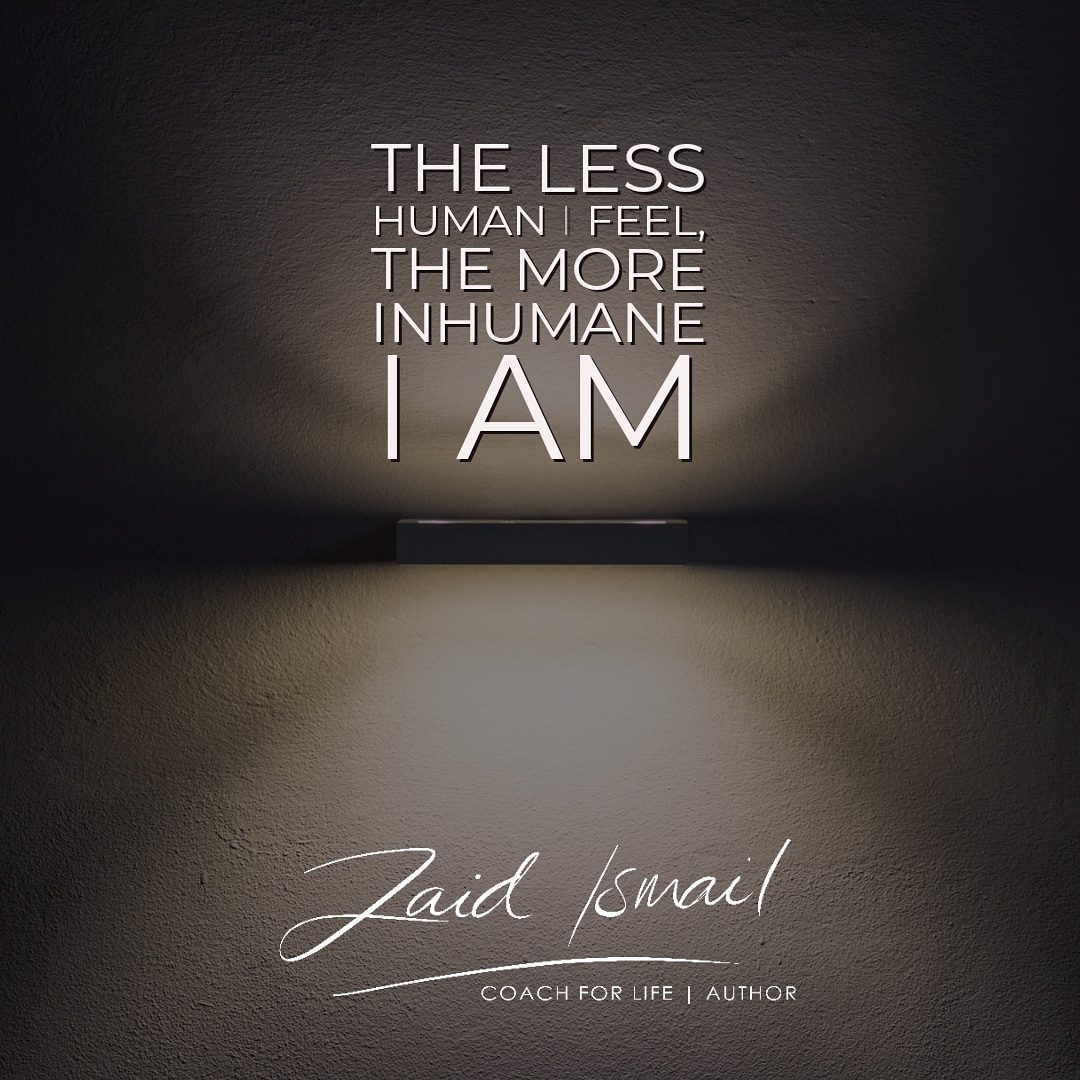
The first thought that came to mind was this. We only lose our humanity when we feel less than human.
The truth is, we only lose our humanity when we believe that we are defined by what happened to us, rather than what our choices were in response to those trials of life.
Watching her grappling with the reality of who she is versus how others have treated her and betrayed her trust in her short life is grounding me in ways that I never thought possible.
I swayed from anger at not knowing how to be there for her, to self-pity for not being a good enough parent, to a quiet albeit sad patience, knowing that all I can do is allow her the space to come to terms with the harshness of life in a way that makes sense to her.
As her father, I fear that she may outgrow me in the process, which stirs up the self-pity and anger, but just as soon, I regain my composure knowing that by giving in to either, I will only create a self-fulfilling prophecy if I insist on inserting myself into this precarious space in which she finds herself.
So my test in her test is to be consistent and available while she finds her way through it.
The struggle of single parenting is grossly underrated.
And the struggle of a single father raising a daughter even more so underrated.Through it all, there was another battle just beneath the surface of the ones that I thought were important. That is, the battle to claim my humanness in the face of exactly the same kinds of betrayals and cruelty that I had faced, which are echoed in the struggles that taunt her.
And it’s through recognising this deeper battle within that I realised the root of my anger and self-pity. It is the need to have my sincerity and effort accepted by one I hold dear, so that the lessons learnt at the hands of brutes and hypocrites will allow me to give that which I did not receive.
Also, it is my need to protect her from the demons that have so often derailed my efforts in life. I want to protect her from that which ravaged me when I was her age.
But I can’t. No one can save us from the journey that we must take to discover the beauty of who we are.
The only thing we can do is remind them that giving up midway through that journey is never worth it. Because once you emerge from the other side, there is a depth and breadth to your humanness that would otherwise have escaped you, and would have left you empty and wanting in your efforts to connect with the beauty around you.
The irony being that the depth and breadth that is discovered further isolates you from those who distracted themselves through that journey, rather than embraced the pain and the education that it offered.
A beautiful patience and a courageous perseverance is needed to hold on to your humanness in an inhumane world.
Photo credit : Adobe Stock
#parenting #singleparenting #fatherhood #raisinggirls #daughters #hope #expectation #sincerity #selfworth #selfawareness #mentalhealth #mentalhealthawareness #mentalhealthrecovery #theegosystem #ownyourlife #ownyourshit #embracingME #zaidismail -
Pause…
Sometimes, when the cacophony of crap crowds your head, you need to remember to pause for long enough to give it a chance to find the door.
I often have to remind myself about what I need to stop doing, rather than what I need to actively resolve.
Some things increase in intensity and complexity the more we try to fix it.
It’s those moments where we let go and trust that each person involved in our lives have their own will to find peace.
By constantly trying to lead them to that peace, we redirect attention to our efforts rather than that goal, and that is how we cause them to be defensive or obstinate, rather than creating space for them to apply themselves without the pressure of expectations.
Some say live and let live. I prefer to say live and let die…that which is not capable of sustaining its own toxic influence.
#hope #expectation #sincerity #selfworth #selfawareness #mentalhealth #mentalhealthawareness #mentalhealthrecovery #theegosystem #zaidismail #mindfulness #inspiration #motivation #ownyourshit #breathe