
A life without introspection is nothing but a delusion.
Assuming that you know yourself without truly knowing yourself leads to many regrets because of poorly informed decisions.
Introspection allows us to learn from the lessons of the past by revealing our contribution towards its outcomes.
Mindfulness allows us to apply those lessons in the present moment.
Ignoring both leads us towards believing that we’re entitled to being treated well simply because we are well intentioned, while ignoring the impact of our actions on those around us.
Stop to reflect, so that your reflection may keep you true to the path that you wish your life to take.
#reflection #mindfulness #inspiration #introspection #mentalhealth #mentalhealthawareness #mentalhealthrecovery #selfworth #selflove #selfawareness #selfrespect #ownyourshit #ownyourlife #theegosystem #embracingME
Tag: selfrespect
-
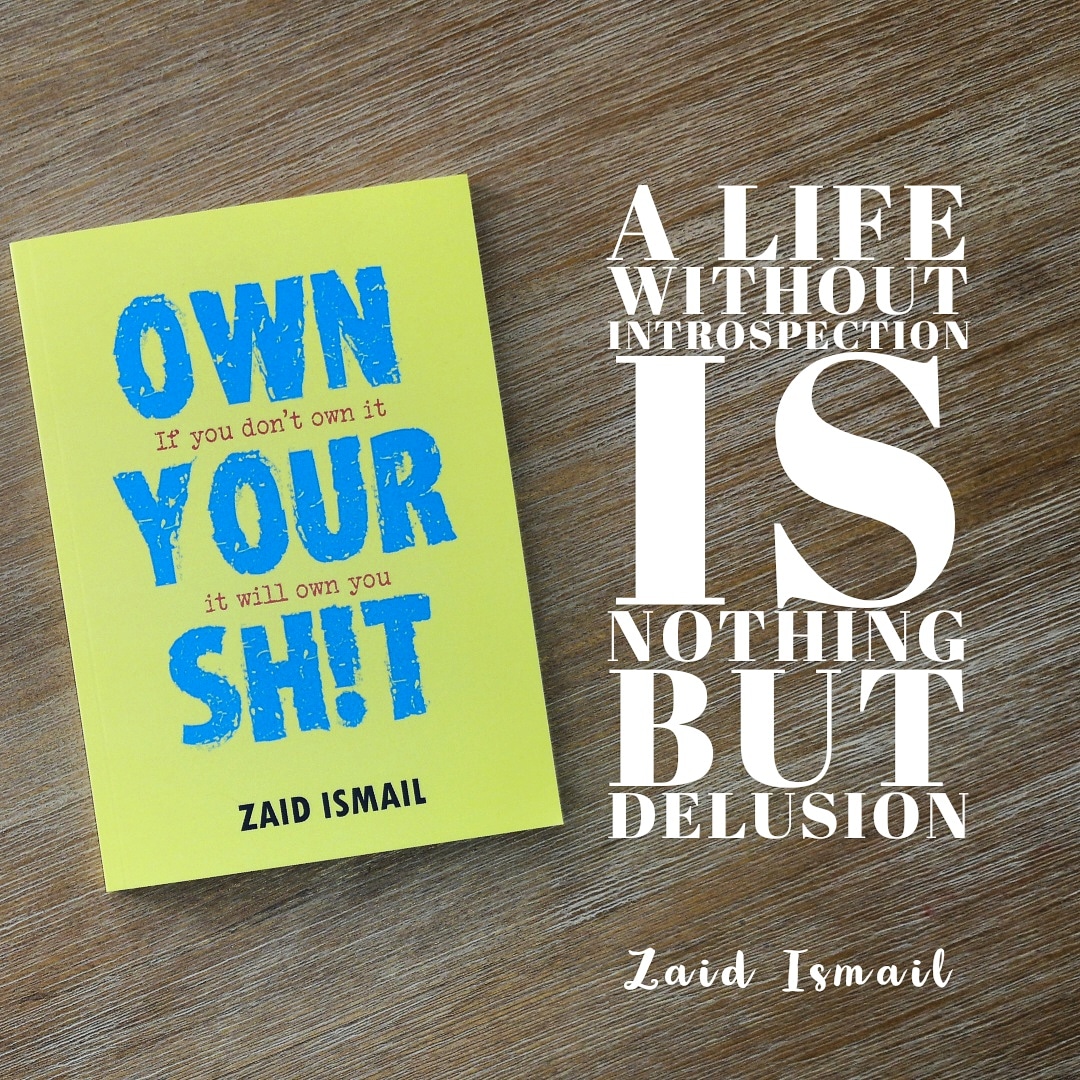
The delusion of life
-

Don’t be the victim oppressor
Every decision we take has an impact on us, and on those around us.
If we only consider one side of that equation, we’ll either become victims by denying ourselves of what we need in favour of pleasing everyone else, or we’ll become oppressors by pleasing ourselves and denying the rights of everyone else.
Finding a balance between the two brings us closer to experiencing joy in our lives.
When we find that we deny ourselves of what we need, it’s because we’re waiting for someone else to convince us that we’re worth it.
When we deny others what they need from us, we’re convinced that they don’t deserve us.
Both mindsets lead to an emptiness that is hard to understand.
Fulfilment and joy in life is found in striking a healthy balance between the two.
If you’re struggling to find that balance, check out my books, or connect with me for affordable life coaching sessions.
Video sessions available to wherever you are in the world.
More details on my website at zaidismail.com
#embracingME #mentalhealth #mentalhealthawareness #mentalhealthrecovery #selfworth #selflove #selfawareness #selfrespect #mindfulness #inspiration #ownyourshit #ownyourlife #theegosystem #balance #gratitude #joy -
The forgotten village idiot
This essay has been playing on my mind a lot lately.
Covid-19 has revealed the true nature of many, which only served to reinforce this notion.
Who puts a smile on the face of the village idiot?
The saddest part of this essay is that most who read the title thought it to be humorous.
From my book The Egosystem, it explores our relationship with those who give selflessly, while being forgotten.
This pandemic has highlighted the forgotten and the taken-for-granted, and it has diminished further the roles of others who are not deemed essential through need, but who maintain the wellbeing and spirit of others through quiet contribution.
I’ve always considered what this world would feel like if we didn’t label the purpose or the need that we have of others, and instead we were compelled to choose very deliberately each time what it is that we value about another before we are able to obtain benefit from them.
Would that be the cure for the pandemic of consumerism? Would it finally rid us of our inclination to see people as a means to an end?
Or is even that an ideal so far fetched that only the most naive would buy into it?
#hope #expectation #sincerity #entitlement #gentleness #life #rage #anger #mentalhealth #mentalhealthawareness #mentalhealthrecovery #selfworth #selflove #selfawareness #selfrespect #mindfulness #inspiration #ownyourshit #ownyourlife #theegosystem #embracingME -
You give what you have
I’ve had many interesting discussions with my kids about this topic recently. If they are dishonest about something, I make them aware of the fact that they will only find reason to be honest with others if they find it unacceptable to be dishonest with themselves. What we tolerate by ourselves towards ourselves is what we are capable of offering to others. Nothing more. Nothing less. The day you realise this is the day you’ll see the fears and weaknesses that drives others to behave badly towards you. It was never about you. It’s always about reflecting who they are. You were just the outlet that they felt safe enough to vent on.
You cannot give what you don’t have. If you lack self respect, you won’t be able to respect others. If you don’t appreciate what you have, you won’t express gratitude towards others. If you consistently feed yourself untruths about yourself or your behaviour, you will not trust the sincerity of others. And so it continues. The way we see ourselves is what informs our behaviour and interactions with the world. The more threatened we feel, the more aggressive we will be. So, the next time you see someone behaving badly, don’t judge them harshly, understand what they’re saying about how they value themselves, or how valued they feel by others. Judgement is a reflection of who we are, while understanding is a reflection of the purpose we wish to serve.


