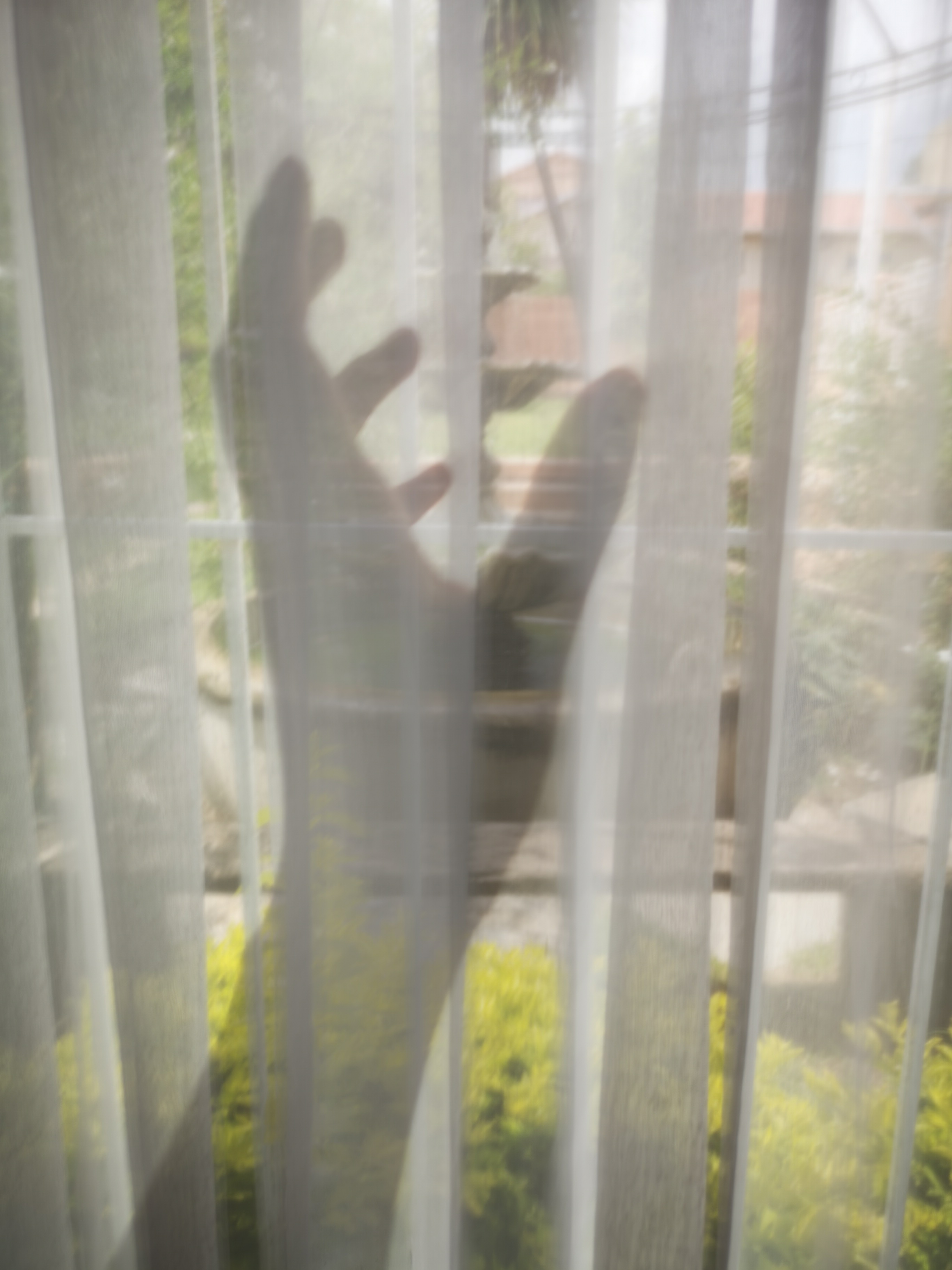
Reminiscing about the good old days becomes a toxic trait when it distracts us from what we have now.
Our distracted state is what causes us to lose sight of what we have, so that at some future point, we may once more reminisce about what was.
Such an indulgence, when done in excess, convinces us that the best is over, leaving the future barren, with no inclination on our part to find opportunity for new growth, and greater joys.
Gratitude about the present moment is a result of appreciating what the past has contributed towards what we have, while reflecting on this inspires us about the possibility of what is to come.
At some point, we need to realise that this moment, right now, is the past that will create our present moment in the future.
Think about it. We’re so busy thinking of how good things once were, that we don’t realise that all we’re doing is giving ourselves reason to sit at some point in the future contemplating how much of our past was spent reminiscing about the past that came before that.
Sounds ludicrous? It is, because that’s how ludicrous it is when we abandon the future because we chose to hold on to the bitterness of the past.
The past, no matter how bad, does not dictate what the future holds. It only ever gives us a point of reference as to how much better things can be, and should be.
Breathe, beloved…breathe…and release the toxins of the past with every exhalation, so that you create space for the promise of joy that the future holds.
#hope #expectation #optimism #motivation #relationshipgoals #dreambig #lovelife #mybeloved #zaidismail #authenticity #ownyourshit #ownyourlife #theegosystem #embracingME
Tag: relationshipgoals
-

All that matters is right now…
-

It’s not always about you
With due to respect to the author of this quote, I totally disagree with this view. This is why.
It’s one thing to let someone know that you were hurt by something that they did or said. But it’s something totally different to blame them for hurting you.
When you make them aware of how you feel about what they did, that’s owning your response and creating an opportunity for them to understand the impact that they have on you.
When you insist that they hurt you, and deny them the right to say that they didn’t, you impose your belief on their intention behind what they did.
Why is this important? Simple. The moment you blame someone else for your emotional response, you don’t own your response and instead, you give up your power to own your life. In other words, you become a victim of everyone else’s actions.
Worse than this, you become the oppressor after feeling oppressed. Or the hurtful one after feeling hurt, because something completely innocent done by someone else becomes tainted with your trigger to that event. Or your bitterness about something that they are not responsible for.
The same way that you want your emotions to be honoured by others, you need to honour their emotions as well. And you do this by trying to understand why they may do something that is hurtful to you without making it about you.
Seek to understand. Like someone once told me, not all who claim to love, seek to understand. So just because you claim to love someone doesn’t give you the right to blame them for your hurt. That’s not love. That’s abuse. Abuse of the trust that they place in you.
You can do better than that. -
Have a little faith
Believing is not the same as faith. At least not in the way that I experience it.
When I believe in something, it’s because I’ve attached evidence from previous experiences that convince me that what I believe to be true is probably true.
While there is an element of faith to that, its not really faith. It’s more a belief based on deduction.
Faith comes in when the evidence may conflict with the belief, but because everything we know to be true about it makes it impossible to believe anything else, it’s then that we develop the faith in believing that somehow, some way, the outcome is still possible.
This is especially true when everything tells you that it’s impossible.
Of course faith of a divine nature is different. But the above approach to faith is what determines how much we invest in others, or in what we believe is possible with them.
Photo trivia : This is a table cloth that was woven by female prisoners in India. An endearing design with dark undertones.
#hope #expectation #sincerity #faith #love #relationshipgoals #companionship #soulfood #soulmates #mybeloved #zaidismail #anincompletelovestory -
A sacred trust
Mark Twain once said something about there being two days that are important in your life. The day you’re born, and the day you find out why. I think there’s a third day that matters as much as the other two. The day you realise that your why only matters to you, and no one else.
There’s a sacred trust that is unspoken but governs the hearts of everyone. That trust is created in moments when we honour our why in servitude of others. Everyone has this inclination. To serve as best as they can, to honour that trust that no one speaks of.
A rare few, or perhaps more than that, invest that servitude in those who are true to their why. In return, the trust is fulfilled, but still unspoken. The only evidence of its fulfilment is the fulfilment they feel when their sincere servitude is honoured in kind.
But what of those who invested it in ones who dishonour their why? Worse still, what if your why is to give hope to those who have given up hope in themselves?
The ones in need of hope grab at the hints of its arrival without any concern for its origin. It is not the being attached to the outstretched hand that matters. Only what that hand contains.
In that moment of giving, when something is gained by the hopeless, something is lost by the hopeful. Until eventually, the scale tips beyond its balance, and the hopeful become the hopeless. That’s when that sacred trust is broken, often beyond repair.
Without trust, all that’s left is faith. Faith denies us the right to give up. Caught between the absence of trust, fading hope, and a fragile faith, the struggle of being human is born. And in that desecrated space, angels and demons are formed.
If there is enough hope left in the cup, it fuels the endeavour to remain true to our why. But if the cup of hope is empty, faith settles in quietly, hope exits gracefully, and trust is abandoned, finally. Leaving the one caught in that conflict feeling conflicted, painfully aware of the emptiness that the tainted sanctity of that trust left, while knowing that faith always demands more.
Perhaps faith is not our saving grace from the trials of life. Perhaps faith itself is the trial.
-
Chasing ghosts
Of the multiple lifetimes that I’ve endured, reality flirts between the beauty that I saw, and the ugly that I experienced. Sanity was relegated to an after thought when what I saw was a vision uniquely experienced by me. Too real to dismiss, but too fantastical to be believed.
It’s the belief that I need to share it with others that taints the experience. But I often wonder if it’s really a belief, or is it a dictate of nature that I will remain incomplete if my experience remains my own. Is the purpose of life not to share our wonders with others?
The pervasiveness of ugly has revealed the ugly side of ugly to me in moments when I was distracted by the beauty of a being. My fixation on beauty was never enough to turn their gaze away from the ugly that gripped their lives. Unfulfilled vengeance shreds a soul with the promise of making it whole.
Fighting the shredding has left me chasing their ghosts of beauty while they invested in the ugly of being. But my ghosts, despite being beyond reach for an embrace, are mine to behold, and mine to court. Offering shards of light into their darkness, teasing them into the light for a few brief, magical moments, before they recede again, the fear of the light turning to darkness echoing the horror of hopes so often destroyed by the ugly of their past.
This tug of war. This wretch between beauty and pain. If not for the beauty of the ghosts, sublimely serene and mesmerisingly aching with the promise of peace, succumbing to their ugly would have overtaken my tender soul. But tenderness is not formed through frailty. It is the deepest gashes that revealed the tenderness within, without which the hardened crust of my contact with the world would have had me convinced that my ghosts were mere apparitions, and their ugly was the only truth.
The ghosts of the betrayers have unwittingly gifted me with the vision that they spurned. A vision of wondrous enchantment, seeing the tenderness of their soul, while they focus on the crust. Hope feels like a threat when the lifetimes that nag at my back remind me of the many occasions on which the ghosts were defeated, and the crust grew thicker over the beauty that I courted.
Until now. Until my latest skirmishes with their darkness revealed an intensity of light so beautifully complete, that my strongest resolve to abandon it proves futile. A new tug of war has been birthed. This time, between my resolve to block out the ghosts and the beauty that they keep revealing in the silent, taunted moments when the world is asleep, and my unfailing desire to surrender to the ghost before I give up my own.
The end is not near enough, and peace too far away.
-
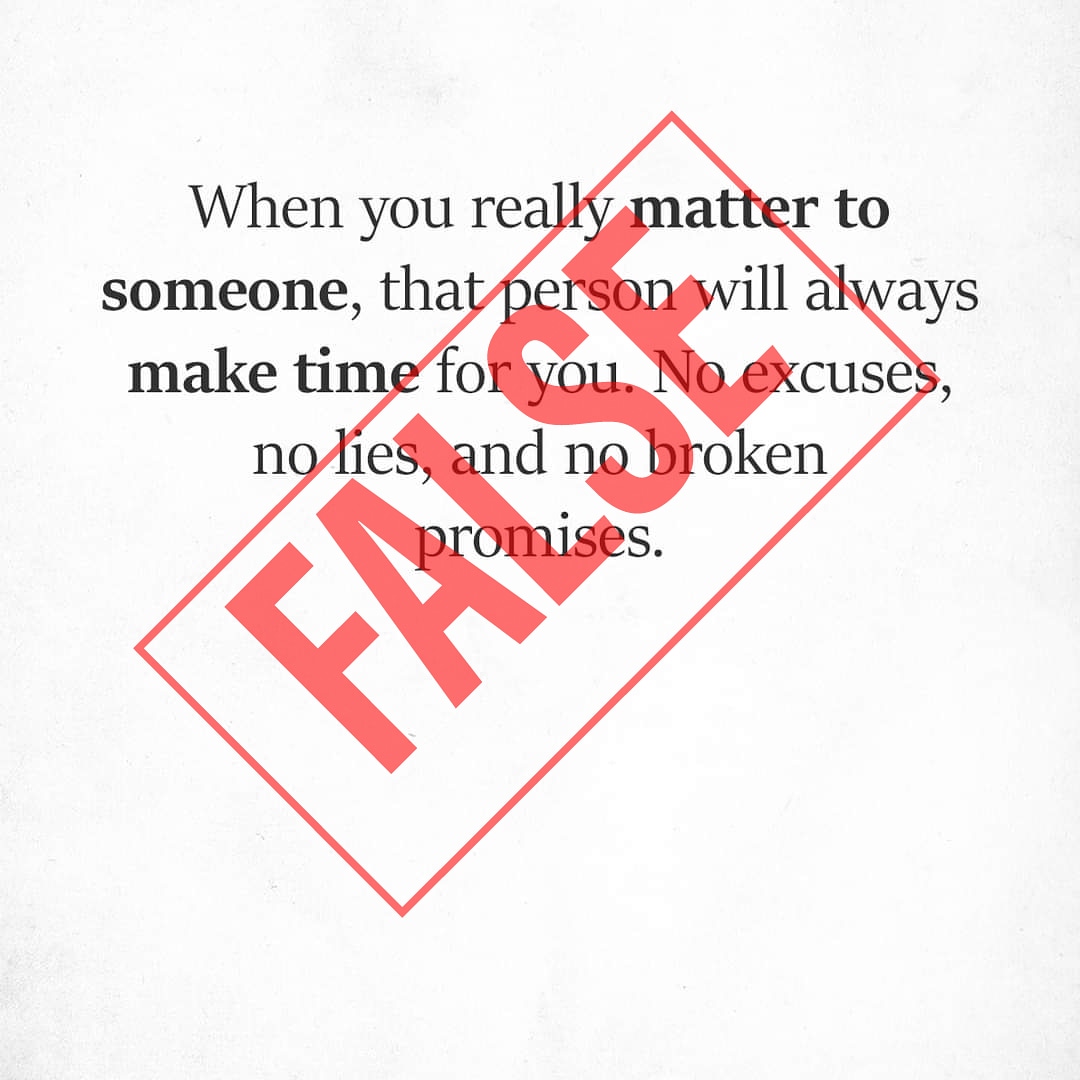
It’s not always about you
The truth is, if you want to matter that much to someone else, shouldn’t they matter equally as much to you?
If they do, and you find that they don’t have as much time for you as they used to, or are behaving differently to what you know them to be about, do you claim your privilege to be treated better than that, or do you show sincere concern for what they may be dealing with?
Busting mental health myths is essential to break the cycle that feeds toxic victim mindsets.
The problem with this meme is that is encourages self-centered perspectives and denies the struggles that someone else may be going through.
Sometimes the ones we love may be so overwhelmed by what they’re going through that withdrawal from the world is the only way that they believe they can cope.
It’s not about how much you may want them to lean on you, or take comfort from you. Sometimes, their battle with themselves drives them to want to protect others from the impact that it is having on them.
Don’t be so quick to write people off. When you do that, you lose the right to ask others to give you the benefit of the doubt when you’re going through a struggle that no one else understands.
Sacrificing what you need in favour of understanding someone you love, is sometimes the greatest gift of love you could give anyone. Even if they don’t realise it at the time.
It’s about what you want to gift to them, not what you need from them that matters.
#love #loveyourself #relationshipgoals #companionship #soulmates #mybeloved #zaidismail #victimmindset
#victimmentality #mentalhealth #mentalhealthawareness #mentalhealthrecovery #theegosystem #ownyourlife #ownyourshit #embracingME -
A silent betrayal
The betrayal of trust is not always due to blatant acts of dishonesty.
Most often, it’s the silence or the restraint from a loved one when their words or their embrace is most needed.
It’s the shrug when we reach out to them or offer them support, or the deliberate obliviousness when we express our need for them.
It’s the trust that bonds hearts that is more fragile than the intellectual trust.
Reconciling dishonesty is easy because we have tangible evidence to work with.
Understanding what’s in someone’s heart when they keep it a secret, or when they become subdued after having been expressive, leads to more anguish than any lie of the tongue.
It is the not knowing that tortures and tests the trust we once placed in someone, especially when all the evidence conflicts with their claims.
That’s when breathing becomes a labour in search of love, and exhaling feels pointless.
Photo credit : Adobe Stock
#hope #expectation #sincerity #selfworth #selfawareness #mentalhealth #mentalhealthawareness #mentalhealthrecovery #mybeloved #zaidismail #trust #betrayal #commitment #companionship #relationshipgoals #soulfood #soulmates #ownyourlife -
Thus, is love lost
In affection, we focus on our beauty
In rejection, we focus on our deficiencies
Perhaps that’s why the world is so harsh
Too many are waiting for their deficiencies to be accepted before they share their beauty
Or need their grievances with one to be compensated before they accept the beauty of another.
Each time we wait for the past to be redressed before
we invest in the future
We are discarding the future in favour of the very past we wish we could leave behind
Thus is the gift of love discarded
And bitterness courted.
Photo credit : Adobe Stock
#love #betrayal #bitterness #hope #expectation #commitment #companionship #soulfood #soulmates #anincompletelovestory #relationshipgoals #mybeloved #zaidismail #lovestory #authorsofinstagram #romancenovel