Category: Leadership

  • No Thanks!

    No Thanks!

    When you get bad service from a restaurant, you won’t go back there if they show no remorse or accountability for how they treated you. That’s boycotting.

    Boycotting products or people who enable harm on others is no different.

    It’s a choice that reflects who we claim to be and what we want to be associated with.

    The lower our self-worth, the less attention we pay to what we stand for and the more we focus on what others think of us.

    That’s when image and tokens of success become more important than values or principles.

    It’s never a decision that affects only you.

    It influences everyone who may look to you as a role model, or a leader, a parent, or an inspiration.

    More than this, it shapes what you contribute towards the peace and dignity that the world offers us, versus being part of the degradation of the human condition.

    Boycotting is about what you are comfortable being associated with as a moral, ethical, religious, spiritual, and humanitarian standpoint.

    It’s not about politics or privilege.

    It’s about self-worth.

    You are part of a village, whether you accept it or not.

    Your actions and your choices affect others in the same way that you may be bitter or unhappy about the choices of others that have negatively affected you.

    If you are unaware of the impact that you have, there is a very high probability that you are harming others without realising it, or intending to do so.

    Who are you?

    What do you stand for?

    Before you answer, look to an innocent being that may depend on you to show up for them, and then consider how your answer will affect them.

    #free #nothanks

  • Hypocrisy destroys you

    Hypocrisy destroys you

    Avoiding the truth to avoid responsibility is an exercise in hypocrisy.

    Supporting oppression to avoid the loss of privilege is an exercise in hypocrisy.

    Hypocrisy harms the hypocrite more than it ever harms others.

    The ones who experience such hypocrisy can still act against it, and can champion a cause to resist it.

    The hypocrite, however, loses their soul and every ounce of their humanity when they stubbornly persist in their hypocrisy.

    Not only does this deny them fulfilment or peace, it also destroys everything of value that makes their lives worth living, or their struggles worth enduring.

    Thus the bitter are the most hypocritical, and the most hypocritical at the most oppressive among us.

    Rationalising their hypocrisy to convince them otherwise is a futile exercise.

    Instead, we must reject their assertions that are blatantly erroneous or contemptable, so that we don’t exhaust ourselves in their deliberate attempts at distraction from the truth, while the cause of justice suffers from our lack of focus.

    It only gets complicated when we are unwilling to take a stand for what is uncomfortable or for what threatens the comfort of our existence.

    Tyranny prevails when the masses value their so-called quality of life over their dignity and their humanity.

    #watermelon

  • Don’t outsource your dignity

    Don’t outsource your dignity

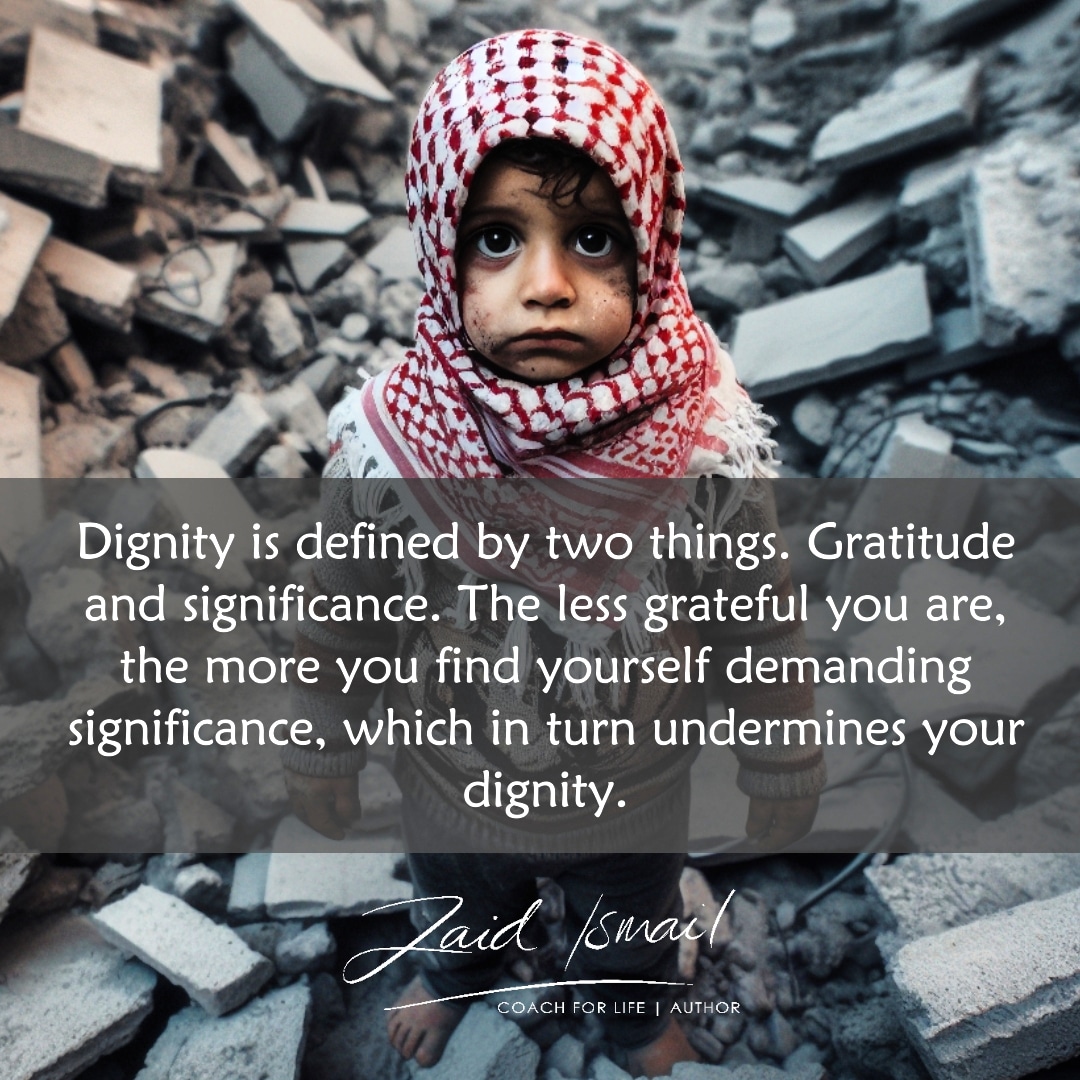
    Dignity is the ultimate social currency.

    With dignity comes accountability and self awareness.

    Or perhaps dignity is only possible through self awareness and accountability.

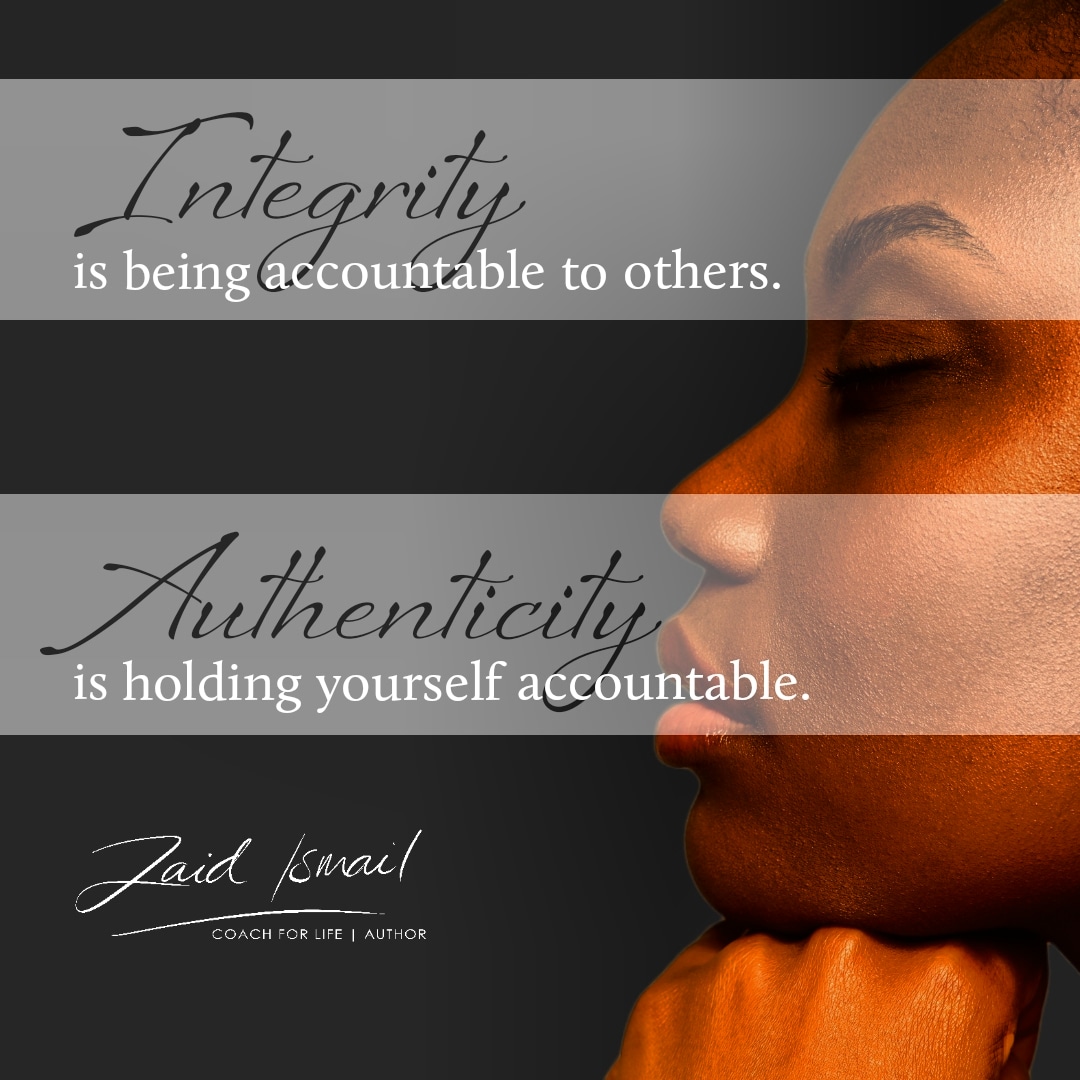
    But accountability is an outcome of self respect and integrity which in turn demands that we care more about who we are and what we stand for than what we want others to think of us.

    That’s when it gets complicated.

    It gets complicated when we focus on what we are likely to lose from others if we take a stand about what we believe to be important.

    But that complication is not because the issue is complicated.

    It’s because we complicate our lives by contaminating it with what we want others to see in us instead of being true to our values and principles regardless of what they think.

    Dignity demands that we be open to correction because of the shame we feel when we are dishonest.

    It demands that we protect the dignity of others because we must not be able to live with ourselves if we willingly and consciously look away when another is treated poorly.

    What we would want from others in our time of need or vulnerability is what we must offer.

    If not, we sow seeds of hypocrisy in our hearts which eventually contaminate the entirety of our being because dignity is lost and validation from others becomes the only peace we will know.

    Your dignity is yours to claim.

    Don’t outsource it in exchange for popularity or personal gain.

  • Check your entitlement

    Check your entitlement

    Expectations breed entitlement.

    Like the entitlement of privileges that weren’t earned, or a free pass to abdicate responsibility because we’ve got it tough. Or entitlement to a homeland that belongs to someone else.

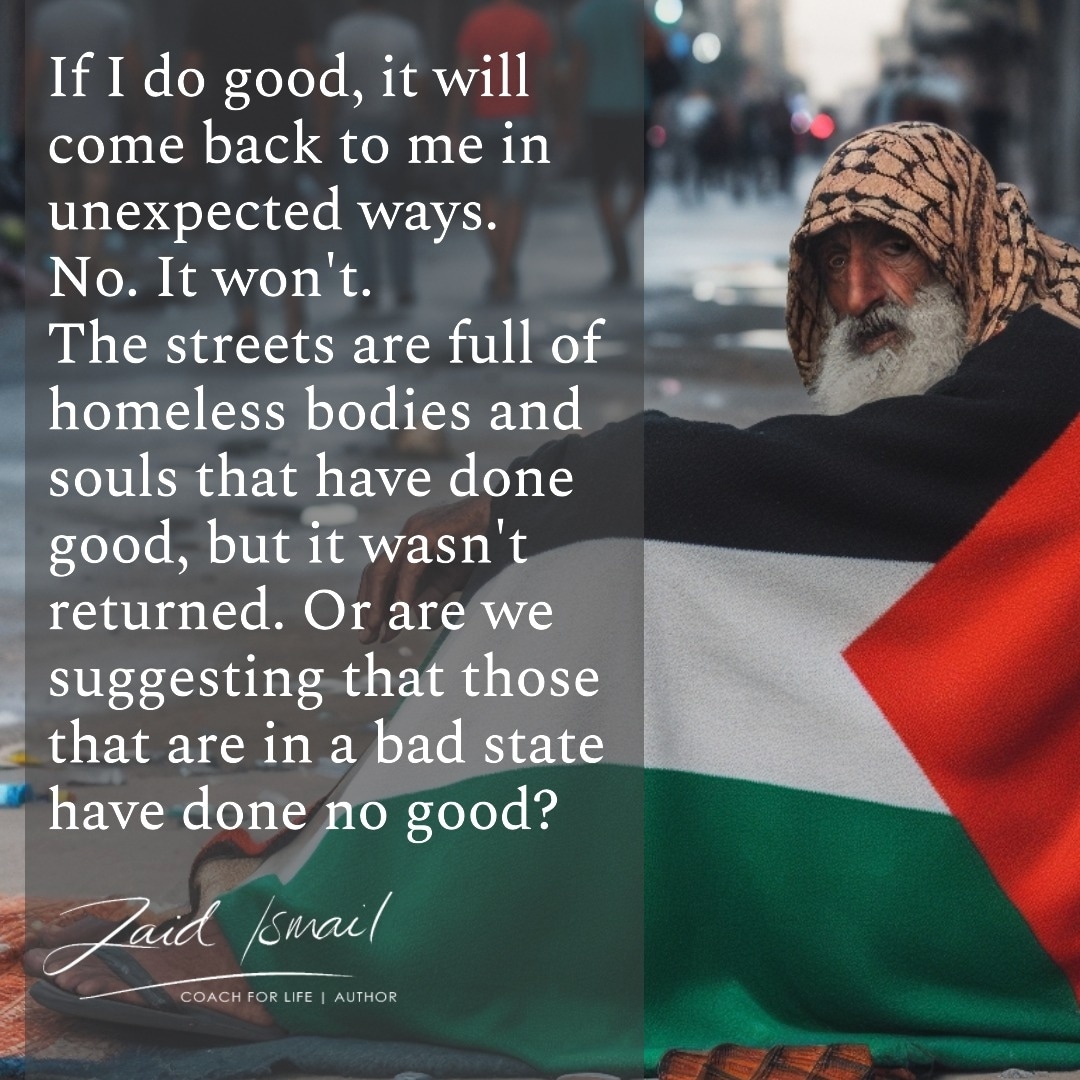
    Conviction and sincerity are lost when we do things hoping for a good return.

    We should do good because of who we are and what we choose to stand for. Not because we expect a return.

    A return on investment is for business transactions, not for moral positions.

    If you choose to fight for a cause, do it because it resonates with your values.

    You honour your value system when you live by it, especially when it’s inconvenient or unpopular to do so.

    When your values are used as a trading commodity with others, they’re not values, they’re tools for manipulation.

    Accountability is a trigger for too many.

    If you feel triggered when someone calls you to account, you have work to do on yourself.

    Our triggers, frustrations, annoyances, anger, and emotional volatility is ours to own.

    We cannot make others responsible for tiptoeing around it just because they ‘don’t know what we’ve been through’.

    Their empathy or compassion towards us is a reflection of who they are, in the same way that ours is a reflection of who we are.

    Outsourcing that or claiming that someone deserves not to receive it from us is an indulgence of our entitlement mentality, and not a defendable moral position.

    Own your life. It always starts with you.

  • Trading in human suffering

    Trading in human suffering

    When we set out to give someone a voice or to create a platform for them, we create a crutch for them.

    Just like our voice is ours to claim, so is theirs.

    When we slip into silence, usually from self-pity, we allow others to speak on our behalf, and then complain if they don’t do justice to our plight or if they abandon our cause, creating room for more self-pity.

    Empowerment should not be a cliché that creates an opportunity for us to shine as beacons of hope for others.

    Empowering or uplifting others is an act of charity, and charity is not supposed to benefit its giver because then it becomes a business transaction.

    Charity is also supposed to be done so secretly that your left hand should not know what your right hand is doing.

    Not because of the importance of secrecy, but to protect the dignity of the beneficiary of your charity, and to protect your intentions from being tarnished by trading with someone’s dignity to improve your social standing.

    More than all this, when someone is given something as opposed to being enabled to create it for themselves, they develop a sense of entitlement to receive what is being given and have no reason to connect with the innate ability that they have to create.

    This denies them the sense of fulfilment and accomplishment which is critical towards establishing self-esteem and should subsequently allow them to claim their dignity.

    A bleeding heart isn’t always a generous one.

    Most often, it’s a selfish one with good intentions.

    Be mindful of the consequences of your good actions that may be intended to uplift while creating reliance and disempowerment instead.

    And for this reason, please don’t use the pitiful state of the weak and destitute as marketing collateral to raise money to supposedly restore their dignity.

    That is the most horrible contradiction of them all.


  • Are you accountable to you?

    Are you accountable to you?

    You know that feeling that you get when you see someone say or do something and you just know they’re talking nonsense?

    That’s because they lack authenticity.

    But when you get that feeling and they actually do follow through with what they say and do, and they mean it, then you lack authenticity because you were projecting your insecurities on them.

    Sounds harsh?

    If it does, you’re approaching life from a position of judgement, rather than growth.

    No one does that deliberately.

    NO ONE. NOT EVEN YOU.

    So when you find yourself or others living with a disconnect between who they are and what they say, understand that they’re compensating for an insecurity that they may not be aware of.

    And again, the same applies to ourselves when our behaviour is inconsistent with our values.

    Blaming others for giving you reason to behave badly further erodes your authenticity, no matter how principled you may be in every other sphere of your life.

    The reality is, we’re responsible for the choices we make, whether it relates to how we’re being treated, or how we’re responding to the behaviour of others.

    If life is about wanting to be better than who we were yesterday, each time we get something wrong, we’ll be inspired to try again until we get it right.

    If not, we’ll need distractions like substance abuse, or other unhealthy addictive behaviours including mind altering medications.

    Alcohol, drugs, and other mind altering substances are not just innocent pastimes.

    They’re a need to escape what you’re not willing to embrace because you’re judging yourself based on how someone else treated you.

    Not necessarily the person you’re with.

    The price that you pay, and the price that innocent people pay as a result of your need to cope or escape, is not worth it.

    Step up. Face your demons. And if needed, get help.

    The evidence is clearly against any excuses that you might make.

    Your life doesn’t have to be an escape from your past.

    It can be amazing because of it.

    It always starts with you.

  • With whom are you competing?

    With whom are you competing?

    Who are you really competing with in life?

    The only person you should be competing with is the one you were yesterday!

    The most common limiting belief that I encounter in others is the belief that they’re not as good as others.

    The way I encounter this within myself is when I question whether I’m good enough to achieve something, or when I think I’m fooling myself into believing that I’m capable of influencing the change that I am passionate about seeing in this world.

    If we stop and pay attention for a brief moment, we’ll realise that it’s not about better or worse, it’s about competing with what we believe to be true about ourselves.

    The day I began trying to prove myself wrong about all the things that I thought were just dreams or whimsical wishes is the day that I broke away from the expectations of others.

    Better or worse is only important if you’re competing to be just like everyone else.

    If everyone else had things figured out, the world wouldn’t be in the state in which we find it.

    We’re all struggling with our own demons on the inside, while presenting a confident and bold facade on the outside.

    That’s not necessarily being fake.

    Sometimes it’s just how we preserve our dignity.

    The moment you believe the facade, you judge yourself against a standard that doesn’t exist.

    The fact that you find reason to judge yourself at all is problematic.

    Your only focus should be in determining if you’re moving closer to, or further away from, the goals that you set for yourself.

    Remaining connected with purpose and conviction to those goals is the only challenge you have.

    Be you. Life is so much more rewarding when you are, and love becomes that much more attainable.

  • Who’s doing you in?

    Who’s doing you in?

    This is a phenomenon that I encountered regularly in the corporate world.

    When your performance appraisal is reviewed against your targets only, but all mitigating circumstances are dismissed, understand that they’re not interested in rating your performance, they’re interested in finding someone to blame for their lack of competence, or lack of support.

    If, however, you find yourself in the same situation repeatedly, then you need to consider if you’re communicating effectively with the people who need to support you with the right tools and resources to achieve your targets, or if you’re always avoiding accountability for outcomes the moment you don’t have the ideal environment in which to achieve your targets.

    The latter is a result of a victim mindset, because it’s focused on protecting yourself from being wrong, rather than focusing on taking reasonable risks and initiative to accomplish your goals.

    If you’re convinced that others are simply out to get you, then you need to question yourself for sticking around to repeatedly give them such opportunity.

    If you truly believe in your ability to contribute positively towards your career goals, you’ll make an effort to find an organisation or a team that appreciates the value that you bring to the table.

    If you lack confidence in yourself, you’ll go through life waiting for others to create the perfect circumstances for you to thrive, while blaming the world for not doing enough for you.

    That’s when the burden of stupidity that accompanies the absence of appreciation for context becomes your self-defeating behaviour, while you focus on what everyone else is not doing enough of to help you to be successful.

    Just a random thought I felt like sharing today.

    Own Your Life.