Tag: ownyourlife

  • An overdue brain dump

    An overdue brain dump

    Haste is from Satan, and clemency is from Allah. These words have plagued my thoughts in recent months. The feeling of compulsion to take action because of the frustration of revisited and avoidable contentions becomes difficult to subdue when the desperation for peace and ease scratches inside my chest, threatening to suffocate the enthusiasm out of me.

    Words like cacophony and incessant ring in my ears as if desperately colluding to express the noise that rattles around my being. It’s a bundle of colourful and flowery expressions that offer no relief, but only more clutter. With every expression is a need for reception. If not received meaningfully, it negates any need for expressing it at all.

    Life continues to teach in ways that destroy any traditional norms of imparting wisdom. Those who seek but understand not what is required to acquire, are often dealt the most brutal blows that test their convictions in ways that threaten to unseat their character. This has been me for the longest time.

    The relief from corporate drudgery lasted for some few years before the weightiness returned when the themes showed up in my personal spaces once more. However, my capacity to navigate it was much improved and my opportunity for finding solace in my own quiet spaces is irreplaceable. The decision to leave corporate continues to resonate as a resounding moment of inspired wisdom. The path has not been easy, nor comfortable in any way, but the fruits of such labour have been enormously rewarding beyond even the scope of the entirety of my achievements in corporate.

    It’s hard to imagine how the peak of my 25+ year career doesn’t compare to the most mediocre of achievements in my new journey, when by comparison in material terms, there is none. In material terms, corporate wins every day of the week. But in terms of life, it fails dismally at every turn.

    The imposter in me has triumphed more often than it should, which has left me debilitated and doubting on matters that I have no basis of comparison against which to determine its feasibility or its futility. Perhaps that is what troubles me most about this new path. It is unfamiliar and lacks in substantial support from those around me. I am therefore my own sounding board, my own echo chamber, and my own critic. I’m usually brutal in all regards.

    Nonetheless, receding demands that I fight my nature. That is a fight that I have always lost, so I know better than to even try. Inevitably, I lose the fight and then blaze a path of inspired destruction of everything that I believe needs to be destroyed for me to rise above the drudgery of duty and servitude.

    Duty and servitude is only such when it is out of obligation rather than purpose. Purpose is lost when we focus on fulfilling responsibilities and obligations while claiming our rights. A right claimed is never enjoyed. The contamination of the motivation behind the one who fulfils it through obligation denies me the sweetness of its fulfilment. That, in a nutshell, in a cocoon of complexity, in a little ravage of reality, is the struggle of life itself.

    To be purposeful through mindful subscription is the greatest challenge that we face as humans. We are too easily distracted by what we need, and therefore lost faith and trust in the natural consequence of living purposefully, and with grace. But grace is lost when dignity is traded for social admiration. Thus, we trade our souls for the promise of peace, only to discover that we lost both in the transaction with our demons.

    I sometimes scroll back to old ramblings from more than a decade ago to determine if I have grown or changed, or perhaps lost my way since. Surprisingly, I keep discovering sentiments and observations contained in my writings that serve as a reminder of where I’m at, not knowing whether that is a reflection of the absence of growth, or the confirmation of the distillation of wisdom in those moments that offer a timeless insight into my state of being.

    The day when the merits of my contemplations will be determined is still a distant way off, at least from my current vantage point. But, if I have learnt anything these past five decades and a bit, it is that vantage points change more regularly than the seasons, and with it what seemed unattainable before is soon taken for granted, and what seemed obvious before suddenly appears deeply cryptic. It is therefore foolhardy and somewhat arrogant to assume that any single moment in time is a moment of absolute realisation, absolute connection, or absolute truth.

    As long as I breathe, I evolve. Not as a body, but as a being. And theories of evolution hold absolutely no answers in such evolution.
  • Don’t forget the human

    Don’t forget the human

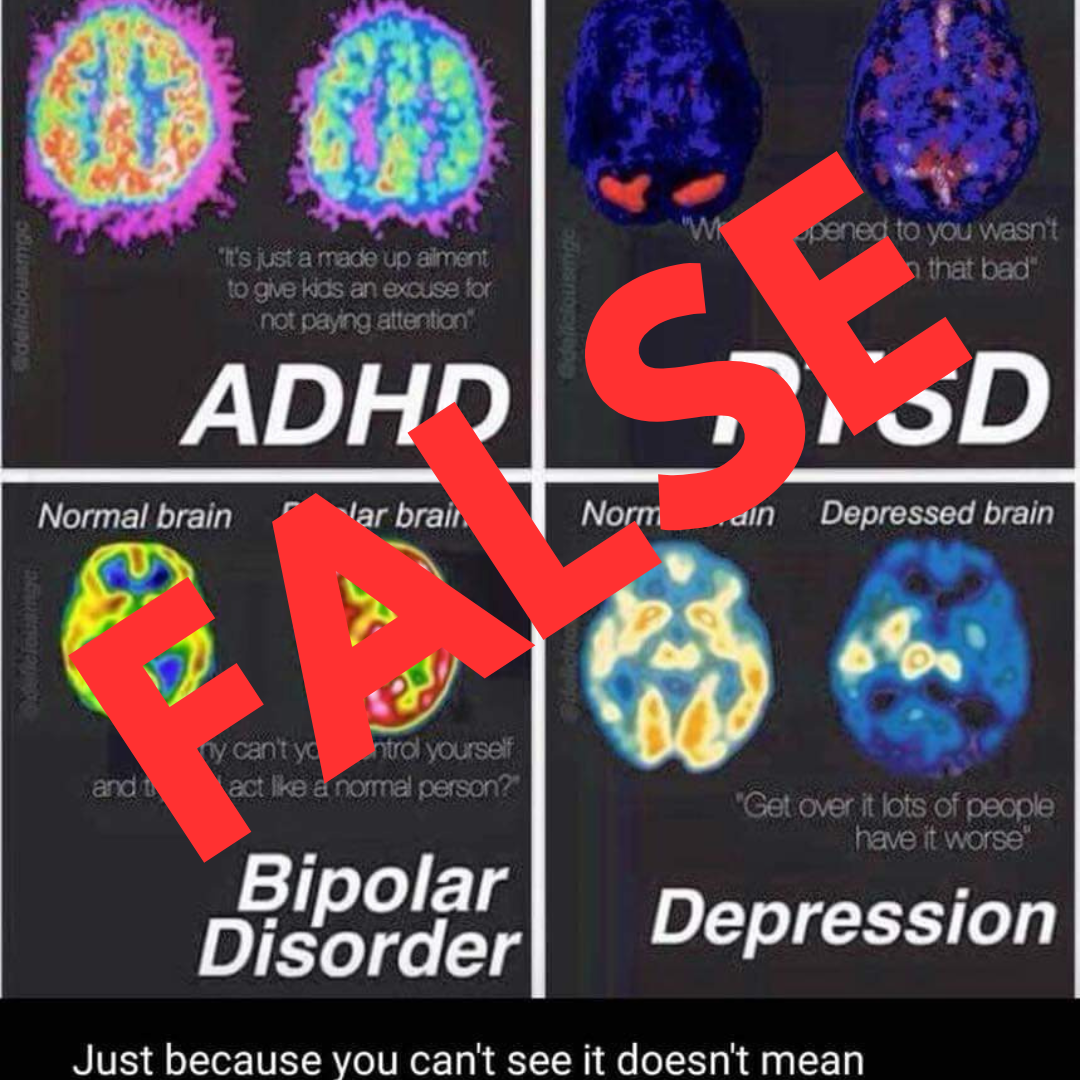
    Did you know that there is zero science to support the above beliefs about what we call mental health?

    Instead, there is research that confirms that new neural pathways are formed in response to new information or new experiences. It’s called neuroplasticity.

    Other research confirms that the physical gesture of a smile, regardless of your emotional disposition, releases feel-good hormones into your brain which uplifts your mood. Try it. Smile at yourself in the mirror without having any reason to smile.

    When we try to rationalise life through the lens of science, we discover technically fascinating facts about the functioning of the human body, but we lose sight of the human in that body.

    Feelings of anxiety, depression, rage and more, including observing others to behave in a narcissistic or bipolar manner is very real.

    But it’s critical to understand that it is simply what we observe regarding their response to very real emotional experiences for them.

    Depression is the absence of hope, anxiety is the fear of not being able to cope with potential outcomes that we are facing, and emotional duress about the stressors of life is what we call mental illness.

    We describe what we experience in others or in ourselves as bipolar, or narcissistic behaviour, not because that is who we/they are, but because that’s how we experience that part of life.

    It doesn’t mean that we’re not dealing with very real fears or duress that causes us to behave in that way.

    However, when we label behaviour, we lose sight of the legitimate human experience behind that behaviour.

    No one ever behaves badly when they feel appreciated, significant, or understood.

    Bad behaviour or emotional duress simply means that as a human, we’re struggling to reconcile the experiences of life with our efforts to create a good life for ourselves, or others.

    Medication, affirmations, supplements, and deliberate exercises to cope with such emotional duress will only ever provide interim relief.

    If we don’t resolve the root cause of that duress, those interim measures become lifelong chronic crutches.

  • The struggle for self-worth

    The struggle for self-worth

    Our relationship with our father, whether they’re present or absent, still with us or passed on, shapes how we feel about ourselves more than any other influencing factor in our lives.

    It’s not about whether they were good or bad as humans or as parents, but rather what we took from our experiences with them, or what we took from their absence.

    A father who is absent because he has to work long hours to provide for his family, could still have a positive impact if he is not harsh and impatient with his children when he does have a few moments to share with them.

    Similarly, a father who is present but always fixated on rules, boundaries, rituals, and the like, will create an emotional barrier between him and his children that will convince them that who they are doesn’t matter, and that what they achieve is all that matters.

    That directly conflicts with our core human need to be of significance.

    What we take, or what we believe to have been their motivation to be that way towards us in our early years, is what shapes how we show up for others in our later years.

    Most people who have had a difficult relationship with their father know exactly how they don’t want to do things, or how they don’t want to be as parents, but that doesn’t mean that they know how to achieve what they want in their relationship with their children.

    That’s how, without meaning to, we often become exactly like the parent/so that we once judged harshly for failing us as a parent.

    The most effective way to break this cycle is to understand the true reasons why your father may not have been what you needed him to be despite his best intentions or efforts.

    It’s only in seeing the demons of others that we will realise that how they showed up for us was not because of who we are, but rather because of how our needs from them provoked the demons that they were grappling with.

    That’s how we learn from the shortcomings of others, rather than falling into the same deficiencies because we think we’re better than them.

    See the human behind the role and you’ll feed the soul of those who desperately need it.

    #toxicparents

  • The magic of accountability

    The magic of accountability

    Many people struggle with authenticity and finding a healthy balance in relationships because they are unaware of the impact of how they show up for themselves and for others. That lack of self-awareness is in a very huge way impacted by how we hold ourselves accountable for who we are.

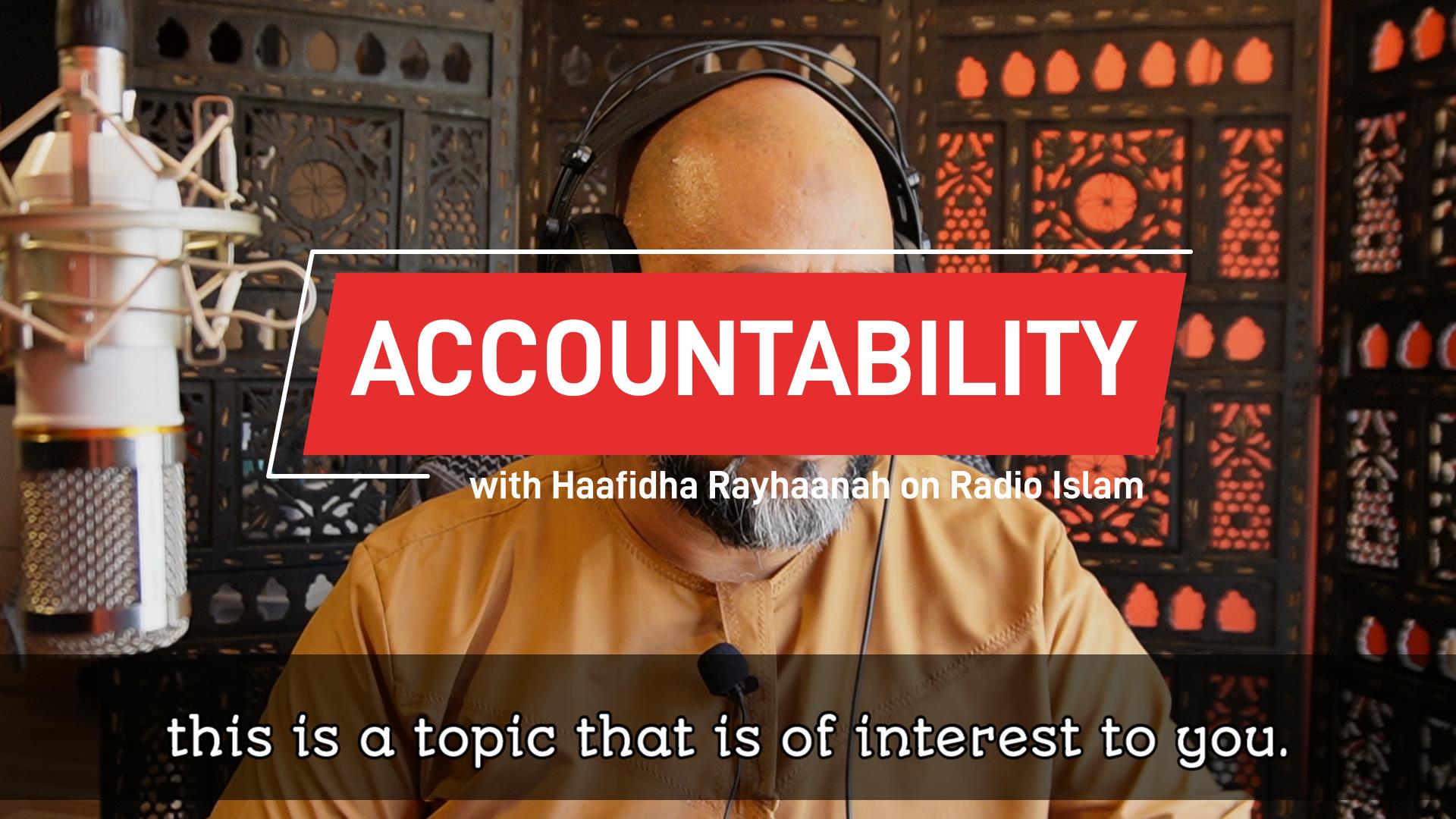
    In this interview with Haafidha Rayhaanah, I unpack the little known dynamics of the far reaching consequences of accountability in our relationship with ourselves, and with those around us.

    Remember, without accountability, you have absolutely nothing of substance in your relationship with anyone, including with life itself. Give yourself a fair chance to unlearn what has been holding you back for so long.

  • Why envy is not good for you

    Why envy is not good for you

    The Japanese have a proverb that says that a bitter heart eats its owner.

    Envy or bitterness begins with how you see yourself before you find reason for it in what others have or do.

    When we’re cautioned about the negative effects of these traits, we often focus on the punishment and the harm to others.

    Remember, we cannot give what we don’t have. Therefore, the envious or bitter one is consumed with such thoughts about their inadequacies, but from a position of blaming others for it.

    Whether they have a legitimate gripe or not doesn’t change that reality, nor does it reduce the impact that it has on them and their health.

    Trying to pacify them or trying to excuse them because of their difficult experiences (even in childhood) does nothing to uplift them.

    Nor does it help us if we’re the ones struggling with such feelings of envy or bitterness towards others.

    First, we must be willing to be unpopular before we are able to assist, because not validating someone’s emotional disposition often results in a negative response from that person.

    Nonetheless, being told what we need to hear and not what we want to hear is the beginning of planting the seeds that will eventually grow into self-awareness and understanding.

    You cannot uplift if you protect yourself or others from the truth just to spare them their feelings.

    Similarly, we make it impossible for others to assist or advise us sincerely if we lash out each time we’re not supported in our views about life or about others.

    To grow, you must be willing to be corrected.

    Ideally, such correction should be gentle and reassuring, with empathy and compassion.

    But that doesn’t mean that we should reject it if the tone is not what we want.

    We must be more invested in wanting to learn than in how we want to be taught, otherwise we will go through life blaming others for not treating us the way that we want to be treated.

    It always starts with you.

    #mentalhealth#selfworth#lifecoaching#zaidismail#ownyourlife#mentalhealthawareness#narcissist

  • Heal yourself before you heal the world

    Heal yourself before you heal the world

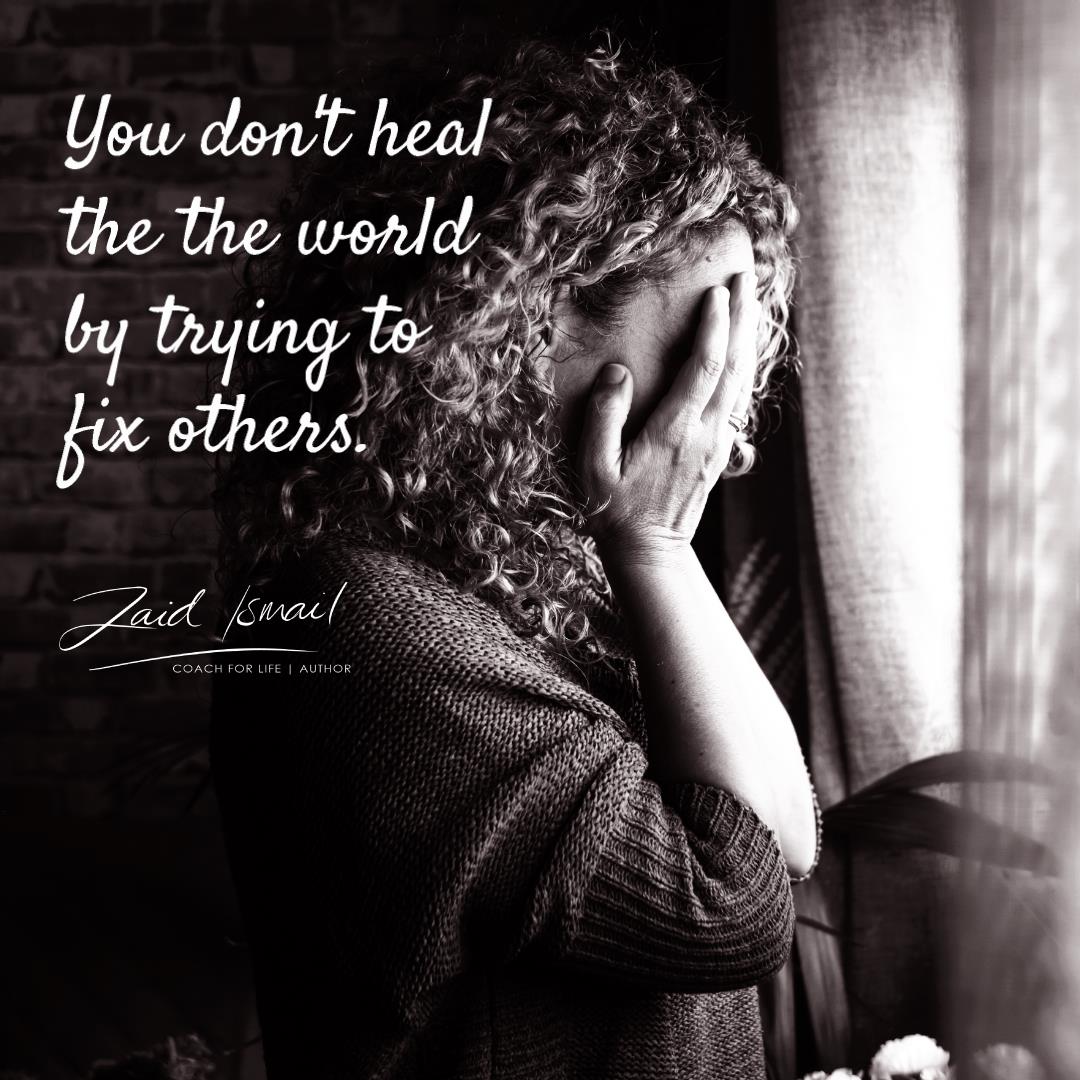
    When we’re in a problematic relationship, it becomes easy to focus on what others are doing wrong.

    This may be justified, or maybe not. Either way, it distracts us from our contribution towards that situation that we’re party to.

    That’s the important part. To recognise that we are either enabling or sustaining the cycle in which we’re caught.

    Focusing on what others need to change is only productive if we’re having a meaningful discussion with them about how we’re affected by their behaviour.

    Beyond that, it serves as nothing more than a distraction from how we conduct ourselves in response to their behaviour.

    The moment you go into such a situation assuming that you’re right and they’re wrong, you become part of the problem, if not the problem itself.

    Relationships are about finding a balance, not about finding a compromise.

    Compromises lead to scorekeeping and bitterness if either person thinks that they’re contributing more than the other.

    Stop compromising and start focusing on what you’re both wanting to create together.

    If you need them to make you feel complete, you’re horribly distracted from what you find lacking in yourself.

    Healthy relationships are formed when two people own their contribution towards the joint goals of the relationship and create space for each other relative to their strengths and weaknesses without judging each other for the same.

    If that sounds like a mouthful, or if it sounds complicated, then chances are very good that you’re getting it wrong, or you’re not acknowledging your contribution towards whatever frustrations or challenges you’re experiencing with your partner.

    Everyone wants to feel heard.

    Everyone wants to feel seen.

    Everyone wants to feel appreciated.

    Not just you.

    Keep that in mind the next time you approach addressing an issue with your partner and hopefully the outcome will result in understanding and a commitment towards mutual goals that will create a bond between you that you never experienced before.

  • Don’t raise a tyrant

    Don’t raise a tyrant

    Understanding right from wrong is the easy part.

    How to effectively respond to what is wrong without creating a new problem is the difficult part.

    With the emphasis always being on knowing who is right and wrong, but hardly any focus on how to deal with such differences, we raise children who are intolerant or misguided in their fight for what is right.

    Learning how life works is about more than just the rules. It’s about knowing how to be firm while still being empathetic, compassionate, and fair.

    Every tyrant believes in their own mind that they are justified in what they’re doing.

    Every tyrant has reason to compromise on what they believe is right because they are convinced that there is a greater good that is being served through such compromise.

    Every tyrant doesn’t accept that they’re being a tyrant. They see themselves as defending a just cause.

    If you don’t raise your children with understanding why there is benefit in upholding what is right, and why there is benefit in being gentle but firm about opposing what is wrong, you will raise a tyrant who will turn against you when you challenge them about something that they feel justified about.

    That’s how we create Zionists in our own homes, and unleash tyrants into the homes of other people’s children when our children get married.

    Understanding why is always more important than simply know what to do.

    Without understanding why, we lose critical thinking, empathy, compassion, and worst of all, we lose our humanness.

    Go beyond instructing your children about the rules to live by, and demonstrate through meaningful action and participation how it is that they must live by those rules.

    Not only will the participation improve their self-worth, but the active demonstration will lead to more credibility behind what they must stand up for.

  • Your brain doesn’t have a mind of its own

    Your brain doesn’t have a mind of its own

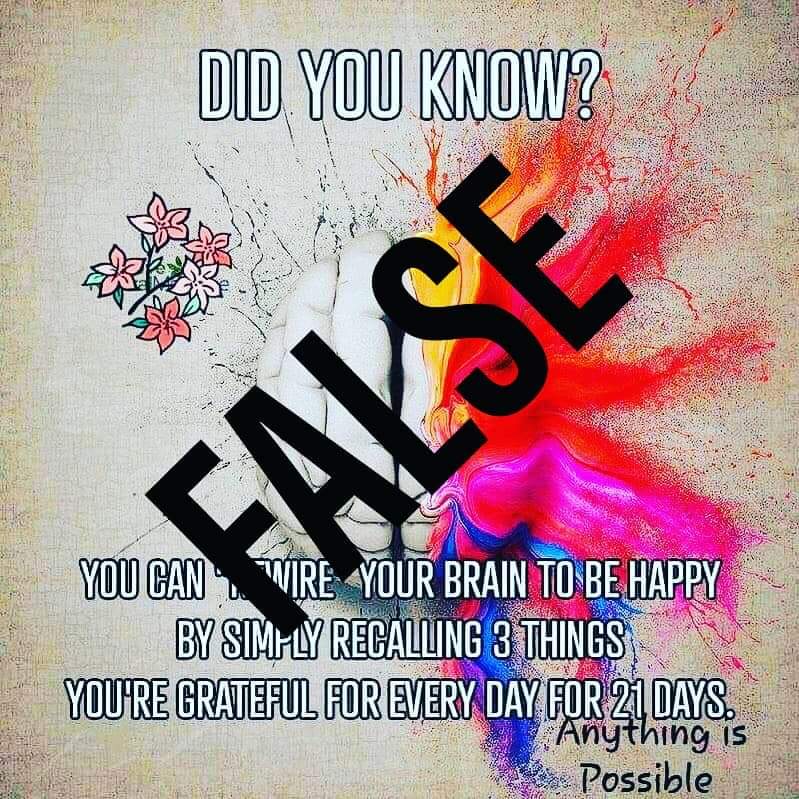
    This is a popular myth. People have been repeating selective truths to themselves for years without seeing a change in their circumstances. Our brains are rewired through experiences, and connecting our reality to the value of an outcome. It’s called neuroplasticity.

    For this reason, courage is needed to attempt something that we have not experienced before.

    Simply stated, we rewire our brains each time we learn something new, or do something new. It adds to our pot of knowledge that guides us through life.

    That’s why people that have tons of book knowledge still struggle to grasp reality.

    Life is about more than whispering affirmations to yourself in the mirror. It’s about action.

    By all means, have the conversation with yourself in the mirror. But, if it’s not followed with action, don’t expect your life to change.