
If there is one piece of advice that will help you through the worst of times, this is it.
Internalise this, connect with it, make it your mantra if you must, but understand that forgiveness on its own, without acceptance, will leave you yearning for retribution or justice.
More than this, acceptance is only wishful thinking if not accompanied by understanding.
We need to understand the motives behind someone’s betrayal of trust, or their indiscretion, or even their neglect of what is important to us or else we’re left with believing that it was intentional towards us.
Most often, we treat others badly because of our demons that are provoked by what they need from us.
Even if we’re justified in treating them that way because of how they treated us, tit-for-tat is an indulgence of the ego and not an investment in rising above that which weighs us down.
Understanding doesn’t mean condoning, justifying, or defending bad behaviour. It simply lifts the burden of not knowing so that making peace with the experience becomes possible.
By seeking understanding, we immediately shift our focus to what they were struggling with rather than grappling with our lack of significance to them.
It is only through such understanding that we learn to accept that people’s actions are a reflection of who they are more than it is about what we mean to them.
And while we’re contemplating all this about others, we need to reflect on our own bad behaviour within the same context or else we will inevitably become like those whom we judge.
Judge less. Understand more.
Peace is within reach.
Otherwise bitterness will be your friend until you meet your end.
#forgiveness #acceptance #struggles #weakness #selfworth #selfawareness #pardon #dignity #sincerity #authenticity #mentalhealth #mentalhealthawareness #mentalhealthrecovery #ownyourlife #coachzaidismail
Tag: pardon
-
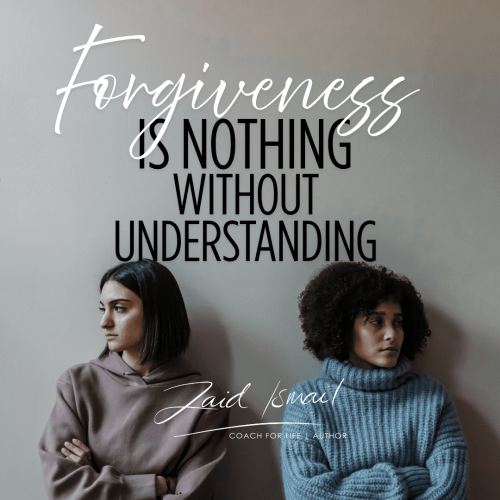
Forgiveness without understanding is virtue signalling
-

What is forgiveness about anyway?
If there is one piece of advice that will help you through the worst of times, this is it.
Internalise this, connect with it, make it your mantra if you must, but understand that forgiveness on its own, without acceptance, will leave you yearning for retribution or justice.
Acceptance is more important than forgiveness, because once we’ve accepted the reality of what is, forgiveness loses relevance.
Accepting things becomes easier when we seek to understand rather than to judge why someone may have treated us badly, or betrayed our trust.
Immediately, the focus is about their weakness and not our significance.
When we learn to accept that people’s actions are a reflection of who they are more than it is about what we mean to them, we’ll have less of a need for forgiveness.
Peace is not possible without acceptance, and acceptance completes the act of forgiving.Don’t only focus on forgiveness, because our need to forgive is driven by a belief that we were the deliberate target of the demons of others.
Understanding their reasons for behaving the way that they did will confirm if forgiveness is warranted, or if understanding is what holds the secret to the peace that we seek.
#forgiveness #acceptance #struggles #weakness #selfworth #selfawareness #pardon #dignity #sincerity #authenticity #mentalhealth #mentalhealthawareness #mentalhealthrecovery -
Delusions of Godliness
The delusion of godliness diminishes our capacity to connect with the divine. When we assume ourselves to be above those that behave worse than us, or we assume that we hold within us the capacity and means to punish others, or withhold their reward, be it in this world, or the hereafter, we assume to hold divinity within us. This is even more detrimental when we impose punishment or apportion reward to ourselves. Understanding is grounded in compassion, and there is nothing closer to divinity than compassion and mercy. Consider this the next time you view yourself or others with harshness.

