
Tag: oppression

  • The quick sand of my mind

    The quick sand of my mind

    The icy breaths that leave my mouth on a miserably cold morning is the only accurate reflection of the emotions that stir within.

    I see messages proclaiming that love is the answer to the world’s problems, but they don’t realise that most don’t know how to love. It’s the arrogance of the assumption that if we had it, they must have had it too.

    I met a calloused soul today. One who was so steeped in her victim-hood, that she couldn’t grasp her contribution towards the destruction of an innocent soul. So vile was her gaul, that she stepped forward uninvited to offer comfort towards the crushed innocent, completely oblivious to her contribution towards the state in which she found the little one.

    Such is the dementia of those who believe themselves to be above reproach because they didn’t actively participate in the abuse of the meek, but only sat quietly on the sidelines observing it play out, waiting patiently for their moment to leech significance by offering comfort to the one whom they abandoned in their moment of need.

    The bile rises to my throat, desperately wanting to clothe such contemptuous beings in the only fluid capable of digesting their caustic character. But my desire to be distanced from such hair-encrusted soap scum leaves me seething in my efforts to maintain my composure, torn between wanting to shake some sense into them, while simultaneously convulsing at the thought of touching them.

    This world is not big enough to create enough distance between me and them, with death offering the only path to peace.

    Sometimes, the most expensive lessons we learn in life are a result of trusting the wrong person. Once more, as I contemplate this reality, I find myself repulsed by those who cast frivolous quotes into the ether of blind optimism and toxic positivity, believing foolishly that doing the right thing will only yield positive results.

    If this torturous world was so easily subdued through the persistence of a positive thought, why then do so many innocents destroy themselves in search of such goodness? Why then are the starving still hungry, the abused still defiled, and the gluttonous still leading?

    The victim mindset is the greatest oppressor of the kind-hearted. The self-pitying soul is the most ungrateful of them all, and the martyr the saddest.

    Tonight, I find myself adrift on an icy lake. Not carried by tranquil waves or exaggerated ripples, but instead, sliding uncontrollably in no particular direction, finding comfort in the movement, but no fulfilment in the futility of its course.

    Wishing away reality does not change it. It simply adds it to the burden of those who are more aware of the impact of that which you wish away. Such is the reality of the victim mind set. So focused on its own struggle, that it grows criminally oblivious to the oppression it imposes on those around them. When they withhold their contribution towards uplifting others, they prioritise their efforts of desperation to have their own struggles honoured first.

    See my hurt before you ask me to see yours. Such is the pathetic indulgence of those who believe that their struggle is the only struggle of such epic proportions that lesser mortals will crumble if only they had to endure the same fate.

    Thus, surrendering to fate becomes the ultimate protest of the coward. The one who abandons rationality and choice in favour of embellishing their selfishness with a cloak of proclaimed vulnerability.

    I feel the bile rising again.
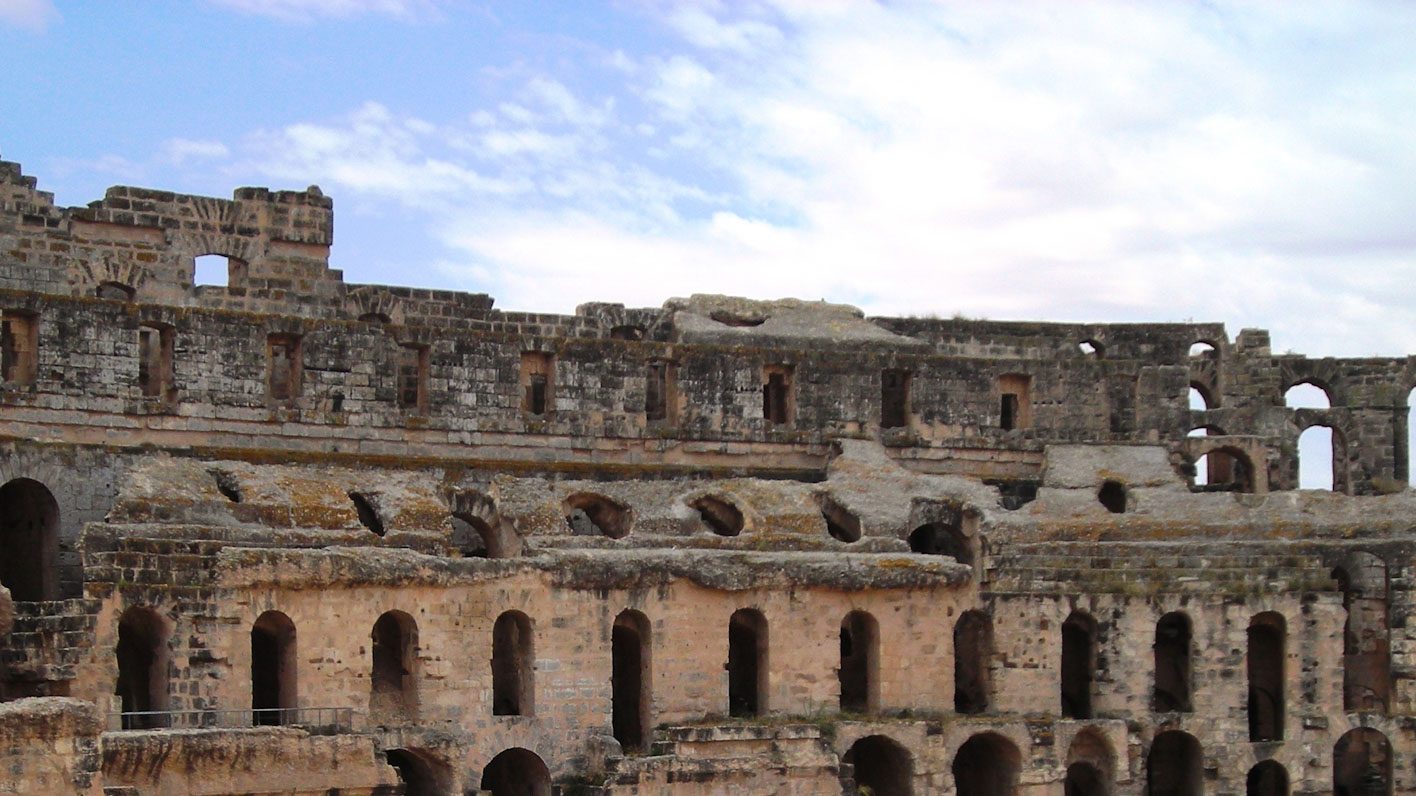
  • The Art of Deconstruction

    The Art of Deconstruction

    I’ve watched silently, often with annoyance, how it is that so many are considered to be intellectuals for their ability to tear apart someone else’s argument or contribution. The more effective they are at breaking down an opinion that they disagree with, the more revered they are in some circles. That’s the part that I watch silently. The part that fills me with annoyance is when I see that after all that effort, they have nothing of meaning or substance of their own to contribute.

    The rest that follow such antics applaud the efforts of those vain ones that love the sound of their own voices as they spew their anger disguised as eloquently articulated arguments filled with nothing more than criticism without purpose. The anger is what fascinates me. Always has. Its origins are so deeply protected that most convince themselves that their anger is a justified response to an oppression or an injustice. But they stop there. They don’t consider why that specific injustice or oppression angers them, nor do they consider why anger is their chosen response to it. Instead, their anger defines their contribution and they garner the respect and admiration from those that are equally angry, or are passively aggressively angry. I suspect the latter group is more despicable than the former because they even lack the conviction to be true to their anger.

    Nonetheless, these cycles play out all the time. Often in a public setting, but quietly in a private setting too. It is the private setting that intrigues me most. I find it intriguing because it is where we experience either our power, or our cowardice. When we experience our cowardice, it becomes a priority to judge or criticise the efforts of others to distract attention away from our meekness, hence the deconstruction of the efforts of others to make something of their lives. When we experience our power, our belief in being able to contribute towards the quality of life of others drives us towards contributing towards their efforts to improve their chances of success, because we realise that their success doesn’t threaten our own. But most don’t experience this. Most only see what they think should be done better but rarely (if ever) make an effort to actually do it themselves.

    Pointing out what is wrong with the world is easy. I look at the rhetoric and criticism against those that step up and fight the good fight, and most often that rhetoric or criticism finds its roots in a belief that the quoting of divine scriptures elevates the rank of the critic above that of the rank of the activist. This is yet another ploy to appear pious or spiritually awakened while conveniently ignoring the demand of such spirituality to lead by example.

    When we have a bone of contention with another, it is not our words in fiery criticism against them that is going to convince them to behave differently. It is our act of sincere and meaningful engagement that will hold any sway over their efforts. Either we will convince them of the benefit of our views, or they will convince us of what we may not have considered about their reality. But without this experiential journey, this side-by-side engagement, the reality of the basis on which we disagree will always remain theoretical and food for the ego, rather than genuine contribution or upliftment of the soul.

    Deconstruction is the art of debate, and the art of debate is firmly established in the need to be correct. Debate has never resulted in a sincere pursuit of the truth. That is left to the domain of discussion and contribution. But contribution demands that we offer of ourselves that which we seek to criticise in others. When our opinions define our self-worth, such contribution is far too daunting. Hence the safer path of deconstruction to earn significance from those that are equally frail in their conviction to meaningfully contribute, while the few that appear foolish enough to sacrifice their composure in favour of benefiting others remain a soft target for the whimsical leaders of debate groups.

    I have no respect for the argument that points out what is wrong with someone else’s approach, or philosophy, if it isn’t accompanied by a sincere effort to offer guidance and assistance as well. Having an opinion is easy. It means that you don’t have to do anything except blurt out the thoughts that occur to you as you vegetate in front of your keyboard. Having an informed opinion goes one step further because that vegetation was accompanied by some effort towards fact checking or research. However, even that is inexcusable if not accompanied by actual participation in the process of changing the reality, and not just the perception of an issue that weighs others down.

    Without willing and sincere engagement, an opinion is simply a fart pretending to be thunder. And global warming has ensured that there is no shortage of hot air to go around.

  • The Projection of Rage

    There is very little else that enrages me more than the sight of parents that project their insecurities on their children. Parents that feel insecure about where they’re at or how they’re perceived by society and then over compensate by supposedly making sure that their children are not going to be perceived in the same way. The coward’s way of life is to live vicariously through others. That’s safe, risk averse, and effectively protects you from being perceived as a failure. That’s not life. That’s fear.

    But it’s not only parents that project such fears on their children and then raise sheltered or dysfunctional charges. It’s a practice that is almost pervasive these days from governments to organisations to almost every social structure we see. It feels like we’re living in a world where everyone has to defend their claim to significance, and those that feel like they don’t have one, associate themselves with causes that justify their rage at feeling insignificant. Countries that have military might will exact respect through force, or impose their beliefs through occupation, while organisations do the same through developing lethargic hierarchical structures that disempower while holding accountable those without authority.

    Behind all of this aggression lies flawed human beings that lack conviction or sincerity, and therefore leverage the tools and resources at their disposal to make a point that would otherwise go unheard. The climb to the top therefore becomes one of self-enrichment rather than servitude. It is therefore no wonder that those that occupy public office, or positions of ultimate authority, rarely use it for the benefit of the masses, but instead aim to benefit their revered peers instead. It’s a corruption of the soul that leads to a vapid life. A life that feels so empty that the only way to fill it is through the acquisition of trinkets and distractions, and the exercise of authority over subjects that have no means to retaliate or protest.

    The individualistic and narcissistic tendencies of the modern day interpretation of human rights and the rule of democratic law has created a cesspool of moral and ethical degradation that celebrates the implosion of human dignity. We’ve created structures and protocols that pacify our innate conscience so that we are not deprived of sleep at night, but we live the same indignity we impose the moment we find ourselves deprived of the resources we once wielded.

    For governments it’s a coup or a landslide defeat when being removed from power. For organisations, it’s the cheque book holders that dethrone the arrogant heads that no longer serve them well. For society, it’s the leaders that fall from grace when their morally objectionable behaviour that is celebrated in private becomes public. We only seem to be called to account if the common knowledge of our excess indulgence becomes noted by those perceived to be our moral authorities, otherwise turning a blind eye works well because we have much that we wish others would overlook as well.

    We’re a society that resides in glass houses. We lament the erosion of dignity and peace, but refuse to acknowledge our contribution to it. This is not a rant, it’s a lament. We’re so focused on appearances, perceptions, and reputation, that we dare not disappoint the expectations of those that need our fickleness as a yardstick against which to measure their own.

    Society, of which I am a futile member, have become nothing more than a projection of rage on that which we cannot influence, or prevent. We are enslaved, more by our fears of being human than by any system imposed on us. Authenticity is rare. It requires an embrace of who we are, and a conviction in who we want to be. Most are willing to settle for the facade, because the substance appears far too daunting to pursue. The path of least resistance has never been more appealing to the meek than it is now. It is therefore no wonder that we are meek in conviction, and bold in oppression, of ourselves, and those around us.

    [This turned out to be more cryptic than intended]

  • Importance of Marriage

    ‘When someone with whose religion and character you are satisfied asks your daughter in marriage, accede to his request. If you do not do so, there will be temptation on Earth and extensive corruption.’

    said Allah’s Messenger (peace be upon him)

    [Tirmidhi, Nasa’i and Ibn Majah transmitted it.]

    Hadith – Al-Tirmidhi #3090, Narrated Abu Hurairah, r.a.

    (via muhammadkhairyfarhan)

    I can think of many families of the most noble of social circles that spit in the face of this Hadith, some of which even have multiple Ulama within their lineage, and who seek titles and social standing over strength of character when choosing partners for their daughters.